Bathrooms rarely get second chances. If you choose the wrong tub, you live with it every day, in every rushed morning and every long soak that fails to feel like one. Matching the bathtub style to the realities of your space, your routine, and your budget matters more than the finish on the faucet. I have replaced clawfoots that wobbled on uneven floors and tore out massive drop-ins that ate half a room without ever being used. The right tub is the one that works hard in silence, looks like it belongs, and never asks you to compromise on safety or basic comfort.
The fork in the road: freestanding or built-in?
Most bathrooms can take either a freestanding or a built-in tub, but the trade-offs begin the moment you look at a floor plan. Freestanding tubs bring sculptural presence and flexibility. You can center them under a window or angle them to turn a tight corner into a focal point. They typically require finished flooring under and around them, so the floor needs to be level, stable, and water resistant. Built-ins, including alcove, skirted, and deck-mounted drop-in styles, integrate with walls or platforms. They usually win on splash control, storage potential, and shower compatibility.
In older homes with narrow rooms, an alcove tub with an integral apron and a properly sized shower curtain or glass panel often fits better than a freestanding model. In larger primary suites, a freestanding soaker becomes the visual anchor, as long as you have a separate shower nearby. Those broad rules hide a lot of nuance, so let’s break down styles and where they shine.
Freestanding tubs: sculptural, space-aware, and honest about what they are
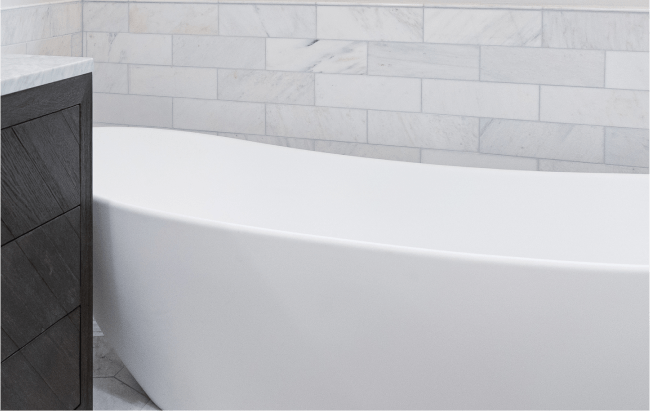
Freestanding tubs are the favorite in glossy magazines for a reason. They offer form in a room that often feels purely functional. Shapes vary, but a few patterns repeat.
- Oval soakers. Soft lines, forgiving to most body types, and easier to fit in long, narrow rooms. If you keep the length under 60 inches and the width near 30 to 32 inches, you can slip one into a modest primary bath without feeling cramped. Slipper and double-slipper profiles. A raised back or two raised ends cradle your shoulders. These shine for longer soaks, but the walls can be taller, so consider access if mobility is a concern. Japanese ofuro-inspired tubs. Deep, compact, and perfect for small footprints, they favor upright soaking. You step down into them. Plan for a handhold and non-slip tile. Clawfoot and pedestal bases. Classic silhouettes that set mood quickly. Clawfoot feet need level points, which is not trivial on older wood floors. Pedestal bases distribute weight more evenly.
Freestanding tubs resist being combined with a shower. There are floor-mounted shower ring kits, but they create a drafty tent and require vigilant waterproofing. If you have one tub only and you love showers, use a built-in. If you have the luxury of both, a freestanding tub gives your primary bath the serenity many people chase with spa lighting and background playlists. It also simplifies cleaning the perimeter because there is no caulk joint against a wall, though you will reach under it, and that space collects dust bunnies faster than you expect.
Built-in tubs: smart where space is tight or when the tub is also your shower
Built-in tubs tie into walls or a deck. Three major formats dominate.
- Alcove tubs. Three walls, one exposed apron. They run 60 inches long by 30 to 32 inches wide in most stock sizes, with shorter 54 inch options for very tight rooms. Pair with a shower and you cover daily hygiene plus weekend soaking without adding square footage. If you prefer a firm backrest, look for a molded lumbar in the tub shell. Drop-in tubs. The tub sits in a framed deck. These require more floor area, but the deck can add storage niches and a place to sit or stage towels. Great for wide bathrooms and for hiding a pump if you choose hydrotherapy. Undermount tubs. The rim sits below the deck surface for a seamless look. Stone, quartz, or solid-surface decks work best. Water management matters here, so slope the deck slightly toward the tub cutout to avoid puddling.
If you rely on a single tub-shower combo, an alcove remains the workhorse. You gain splash control, straightforward glass door options, and a place to mount grab bars into studs. Built-ins also allow you to recess niches, which saves elbow room and keeps bottles off the floor. Just remember that tile grout lines need annual sealing for stain resistance, and the caulk between tub and wall panels will need refresh every few years, especially in homes with seasonal humidity swings.
Materials that affect weight, heat, and longevity
Even within a style, the material changes how a tub feels, how it holds heat, and how it survives daily life.
Acrylic dominates midrange freestanding and alcove tubs. It is light, easy to install on upper floors, and warm to the touch. If reinforced with fiberglass, it resists flex when properly supported. Beware of ultra-thin shells. If you can press the side and feel it give, you will hear creaks once it is filled.
Fiberglass-only options exist at lower price points. They are lightweight and forgiving to install, but their gel coat can scratch or dull sooner than acrylic or solid-surface. With careful cleaning and a soft scrub approach, you can extend their life.

Cast iron provides unmatched durability and heat retention. It also brings serious weight. A 60 inch cast iron tub can weigh more than 300 pounds empty. Filled with water and a person, you might add 600 to 800 pounds to a small footprint. On slab foundations that is easy. On a second floor, you may need a structural check. It is not a deal breaker, but budget for blocking or sistering joists to keep things safe and quiet underfoot.
Solid-surface composites like stone-resin give a matte, luxurious feel and strong heat retention without the full mass of cast iron. They still weigh significantly more than acrylic, and the finish can chip if struck by a heavy object. Edge repairs blend well with a pro polish.
Steel enamel tubs sit between fiberglass and cast iron in cost and weight. The enamel resists chemicals, but chips can expose steel. If you drop a tile, you might need a repair kit, and the fix will never quite disappear to a trained eye.
How much room do you actually need?
I have measured bathrooms where the door swings over the tub because no one accounted for clearances. Start with these realities.
Plan at least 24 inches of clear floor by the tub, preferably 30 inches. If the room narrows, ensure you can stand without bumping a wall with your shoulders. For freestanding tubs, give yourself 3 to 4 inches of gap from walls on all sides. That gap makes cleaning possible and prevents the tub from scuffing the wall.
Check centers for the filler and the drain. Floor-mounted tub fillers look elegant beside a freestanding tub, but they require precise rough-in and often an access panel below for the supply lines. If you are on a slab, you will cut concrete or build a low platform. Wall-mounted spouts simplify rough-in for alcoves and can be aligned with a shower valve. Deck-mounted fillers live on drop-ins, and they work well when you want both a spout and a hand shower without additional penetrations in tile.
A standard 60 inch alcove fits many homes. If you are taller than 6 feet, consider a 66 or 72 inch drop-in or freestanding soaker if the room allows. Depth matters too. A 14 inch soaking depth barely covers your legs. A 16 to 18 inch depth feels more immersive, but measure the step-over height for children and older adults.
Drain location, venting, and the cost shadow no one sees at first
Moving a tub drain more than a few inches can trigger a surprising chain reaction. In wood-framed floors, you can usually re-route within joist bays, but you must maintain slope on the drain and respect the structural limits of notching and boring. On a concrete slab, any relocation means saw cutting and patching. The hidden costs of home remodeling live in these choices. A freestanding tub, placed across the room, may require relocating not only the drain, but also supply lines. Budget for that work and for a finish patch on the floor.
Venting deserves attention. Every tub drain needs a properly vented trap. If your remodel reconfigures the layout, a vent rework may be necessary to avoid slow drains and gurgling. In Chicago and many older cities, permit reviewers will ask for a plan that meets current code. Permits and regulations for home renovations in Chicago are clear about fixture counts and venting standards, and inspectors will check trap arms and vent connections before you close walls.
Temperature, comfort, and how long a bath actually stays warm
Insulation inside https://rentry.co/a3os36ti the tub shell changes your experience more than any marketing photo. Acrylic tubs with sprayed foam retain heat noticeably better than hollow shells. Solid-surface and cast iron hold warmth longer still. If you love a 30 minute soak, you will notice the difference. Pair that with heated bathroom floors, and you reduce heat loss through your feet as well. The benefits of heated bathroom floors extend into shoulder seasons when a short bath after a run is almost ritual.
Consider the water heater too. A big freestanding tub might be 65 gallons to the overflow. Real fill commonly reaches 60 percent of that before your body displaces water. You still need to know whether your tank can supply 40 or 50 gallons at a comfortable temperature. Tankless heaters are excellent if sized correctly, but older units may struggle to keep flow and temperature steady to both a shower and a filling tub at once.
Cleaning, caulking, and the realities of daily upkeep
People fall in love with freestanding tubs in showrooms. They look pristine because no one uses them. At home, you clean around and under them, sometimes on your knees. If mobility is limited, that chore can turn from a ten minute task into a workout. Obstructions like floor-mounted fillers and supply lines collect dust. A built-in tub gives you fewer exposed surfaces. The maintenance is more about grout sealer and the tub-to-wall caulk joint. Choose an acrylic-safe cleaner for acrylic tubs. For enamel or cast iron, non-abrasive cleaners protect the sheen. Hard water leaves mineral tracks on matte finishes, so keep a squeegee nearby and wipe down the tub deck after each bath.
Safety, universal design, and bathing through every life stage
Universal design is not only for multigenerational households. It is insurance for the future. Lower step-in heights, anti-slip textures, and solid blocking for future grab bars make a meaningful difference. A 17 inch seat height at the tub deck, paired with a hand shower on a slide bar, helps someone recovering from a knee injury or managing balance concerns. For households with kids, an alcove tub with a gently sloped back minimizes hard edges and eases bath-time ergonomics.
Walk-in tubs are a separate category. They solve a very specific need and trade fill time for accessibility. If you go this route, ensure you have a high-capacity water heater and a pressure-balanced valve to avoid temperature swings. Many clients choose a curbless shower with a bench as a more versatile long-term accessible solution, then keep a secondary standard tub elsewhere for occasional soaks and for resale value.
Style coherence: modern lines, heritage homes, and everything in between
Mixing modern and traditional styles in your renovation can work if you respect scale and material. A minimalist solid-surface freestanding tub looks odd in a tight Victorian bath with small hex tile and dark wood trim, unless you bridge styles with warm metal fixtures and a soft matte finish. Conversely, a clawfoot has charm in a loft only if you play up texture with brick, patinated brass, and handmade tile. If you are rethinking the entire plan, an open concept vs. traditional layouts discussion sometimes starts in the bath. Do you want a tub in the primary suite with open sightlines, or do you prefer enclosure and quiet? The psychology of home design shows up in where you choose to relax and how much privacy feels like luxury.
Color and light matter too. How to choose a color scheme for your entire home often lands on neutrals in the bath. Pale walls bounce natural light, which flatters skin and helps a small room feel generous. If you lack a window, pay close attention to lighting design. Layer ambient ceiling light, task light near the mirror, and a dimmable accent near the tub. The benefits of under-cabinet lighting in kitchens have a cousin here: low-level toe-kick lights help you navigate at night without harsh glare.
Plumbing fixtures, valves, and the practical niceties that improve daily life
Pair the tub with the right filler and valve. If you love long soaks, choose a high-flow tub filler that can deliver 8 to 10 gallons per minute, provided your supply lines and heater support it. That takes the wait out of bath time. A hand shower makes rinsing hair easy and helps with cleaning. For a freestanding tub, a floor-mounted filler with a hand shower is elegant but needs solid anchoring. For an alcove tub-shower, a pressure-balanced valve or thermostatic system keeps temperature steady when someone flushes a toilet elsewhere in the house.
If you are installing an air or whirlpool package, plan for a dedicated GFCI outlet and an access panel to the pump. Keep that panel where you can reach it without demolishing tile. I have seen beautiful tubs turned into headaches because the only access was through the ceiling of the room below.
When a tub is not the hero: wet rooms and shower-forward plans
Some households barely use a tub. In compact city homes, a wet room with a curbless shower and a linear drain can feel like a luxury bathroom even without a tub. If you still want the option, a compact ofuro-style tub tucked into a corner of the wet room offers both worlds. Wet room design demands careful slope, proper waterproofing, and ventilation. Bathroom fan installation matters more than the tub choice in these cases. Choose a quiet fan with a humidity sensor and a dedicated duct run to the exterior. Poor ventilation invites mold, especially in tiled surrounds.
What seasoned crews watch for, and why it helps to plan beyond the tub
I have found tub drains set a half inch off center, vent stacks exactly where a freestanding filler should land, and floor framing that crowns just enough to rock a level. The best crews build a small cushion into the plan for field adjustments. They dry-fit the tub, test the fill and drain before finishing, and avoid final caulking until the tub has been filled once to settle any tiny movements.
Revive 360 Renovations has handled plenty of bathrooms where the first idea from a magazine spread did not survive contact with the plumbing stack. We map the real conditions, confirm joist directions, and put tape on the floor to show how a freestanding footprint changes walking paths. Clients often pivot to a drop-in on a tailored deck when they see how a 66 inch soaker would pinch the vanity aisle by two inches. That two inches decides whether drawers open fully and whether two people can pass without turning sideways.
Budget and timing: guiding realities that keep projects on track
How to plan a home renovation on a budget starts with prioritizing function. In the bath, that often means a reliable tub-shower combo if you have only one bathroom, or a quality shower and a modest but comfortable soaker if you have two baths. The hidden costs of home remodeling and how to avoid them come back to service relocations, structural work for heavy tubs, and finish repairs when layouts shift. If your tub selection demands floor reframing or concrete cuts, weigh that against investing in tile, better ventilation, or radiant floor heating.
In Chicago and similar climates, the best time of year to remodel your home often means avoiding deep winter for projects that require exterior vent terminations or long material deliveries. That said, indoor bath remodels are feasible year-round. Just plan a dust and debris strategy. How to protect your belongings during a home renovation is not theoretical in a bathroom. Cover vents, zip off the work area, and stage materials to avoid tracking thinset through the house. Living through a remodel is easier when you set a clear sequence, like demo, rough-ins, inspections, waterproofing, tile, fixtures, then punch list. How to create a remodeling timeline that works should be honest about lead times for tubs, especially solid-surface and cast iron models that can take weeks to ship.
Case notes from the field: when “right size” beats “largest possible”
One project that still makes me smile involved a long, narrow bath where the owner wanted a double-slipper freestanding tub centered under a window. The room measured 70 by 95 inches. On paper, a 67 inch tub fit with three inches to spare on each end. In walking space, it stole the aisle from the vanity and made the toilet feel trapped. We taped out the plan on the floor. The client immediately saw the squeeze. We kept the freestanding idea but moved to a 60 inch oval with a slimmer profile and a wall-mounted tub filler. That preserved 34 inches of clear aisle, which is the difference between graceful and clumsy. The tub looked intentional, not wedged.
Another home had a heavy cast iron alcove tub installed decades ago. The floor sagged a quarter inch across the tub length. Every shower sent water toward the non-plumb wall, and caulk failed every six months. We leveled the subfloor, moved to a lighter acrylic alcove with a molded tiling flange, and used a solid-surface panel surround. The room stopped fighting itself. Sometimes the best bathtub style is the one that relieves stress you have trained yourself to ignore.
Revive 360 Renovations on choosing the right tub for small Chicago baths
In compact city bathrooms, a 54 inch alcove with a deeper soaking well often beats a full-length tub. Revive 360 Renovations has specified several models with a 17 to 19 inch internal depth that allow adults to soak without the room feeling cramped. We look at door swing, the radius of corner transitions, and whether a hinged glass panel can sit above the apron without clipping a towel bar. The best storage solutions for small Chicago homes also factor in. A shallow niche above the tub deck, sized to your tallest bottle, keeps the surround clean and avoids those cluttered caddies that rust by month three.
Permits in Chicago require clear documentation of fixtures and ventilation. During plan review, we frequently include notes on anti-scald valves and GFCI protection for any hydrotherapy options. Inspectors appreciate clarity, and smooth inspections save days. The benefits of hiring a local Chicago remodeling company show up in small ways like knowing which models fit evenly in the common 60 inch rough opening that is actually 59 inches after plaster and tile.
Revive 360 Renovations on freestanding filler rough-ins and future service
Floor-mounted fillers have their quirks. If the valve body lacks serviceable cartridges, future drips turn into drywall surgery. Revive 360 Renovations prefers fillers with top-access service and sturdy floor plates. We test for full flow before final tile, then protect the valve during grouting to keep grit out of the system. Where possible, we place a discreet access panel from an adjacent closet for the tub drain without cutting the finished bath. It is not glamorous work, but it is the difference between a graceful bath and a repair you dread.
We also caution clients about the first fill on a freestanding tub installed over new wood floors. Water finds the smallest slope. We set a towel dam, fill slowly, and check all joints for weeping before sealing around the tub base. Once everything settles, we apply a thin bead of flexible sealant at the floor to block splashes. It keeps hairpins and dust bunnies from rolling under while still allowing the tub to be removed in the future without tearing the floor.
How to match tub choice with the rest of your project
Bathrooms do not exist in isolation. If you are designing a kitchen at the same time, consider the cost trade between a stone deck for a drop-in tub and the best countertop materials for busy families. If you are choosing flooring, the best flooring for Chicago’s climate extremes in a bath often means porcelain tile or a porcelain-look LVT in half baths, with radiant floor heating beneath tile in primary suites. That choice may influence whether you feel comfortable with a heavy cast iron tub upstairs.
If you aim to increase home value with strategic renovations, the presence of at least one proper tub in the home still matters to a portion of buyers, especially families with young children. You do not need a giant soaker to satisfy that expectation. A well-executed 60 inch alcove with a clean glass door and quality fixtures checks the box. Luxury bathroom features worth the splurge might then shift to better lighting, a quiet fan, or a thermostatic shower valve, where daily value exceeds the visual punch of an oversized tub shoehorned into a small space.
A quick decision framework you can trust
Use this short checklist to pressure test your choice before ordering.
- Do you need the tub to serve as your daily shower? If yes, favor an alcove or properly detailed drop-in with a shower surround. Can your floor structure support the total live load of the tub, water, and person without deflection? If unsure, verify before selecting heavy cast iron or stone-resin. Will the filler deliver enough flow to avoid a long wait? Confirm water heater capacity and supply line size for larger soakers. Is cleaning under or around the tub realistic for your household? If mobility is a concern, built-in may be kinder. Do clearances around the tub support safe entry, exit, and future grab bar locations? Map with tape on the floor, not just on a printout.
The options in brief, matched to real scenarios
Small secondary bath serving kids and guests: a 60 by 30 inch alcove tub with a slip-resistant floor, pressure-balanced shower valve, and a curved shower rod or a simple glass panel. Durable, easy to clean, and practical for quick morning routines.
Primary suite with separate shower: a freestanding oval or slipper tub, 60 to 66 inches, with a floor or wall-mounted filler and a hand shower. Prioritize heat retention and a contour that fits your back. Anchor the design with natural light if possible. If you lack a window, add a dimmable accent to make evening soaks feel calm.
Long, wide bath where storage is at a premium: a drop-in tub on a deck that includes a corner bench and a towel shelf. Use quartz or porcelain slab for the deck to simplify maintenance. Slope the deck toward the tub opening so water does not sit under folded towels.
Tight urban bath with a window on the short wall: a 54 inch alcove tub with an apron, paired with a sleek vertical niche opposite the showerhead. Preserve the window by using a waterproof jamb and a tempered glass panel that swings inward for cleaning.
Historic home where you want character and function: a modernized cast iron clawfoot if the floor can handle it, with a separate shower elsewhere. Select warm metal feet and a soft white finish. If the floor structure is questionable, an acrylic slipper on a pedestal base captures the mood with less weight.
Final thought: start with how you live, then let style follow
A bathtub can be pure sculpture, a daily workhorse, or both. The trick is to let the way you bathe lead the way. Measure the room honestly, test the feel of the tub shell at a showroom, and make sure your water heater is up for the job. Build in small kindnesses like a hand shower and a grab bar block, even if you do not install the bar yet. A bath should not ask for attention. It should give it back to you, quietly, every time you step in.