Chicago’s weather is a test of a building’s character. Lake effect winds, freeze-thaw cycles, humid summers, and long heating seasons punish weak details and reward good ones. When you choose energy-efficient materials for a renovation here, you are not just chasing lower bills. You are solving for comfort in February, condensation in April, solar gain in July, and durability every month of the year. The right assemblies handle moisture and temperature swings as a system, not as a collection of parts.
I have spent winters checking rim joists for frost and summers measuring attic temperatures that push past 120 degrees. The lesson repeats: materials matter, but they matter most when they are matched to Chicago’s climate and installed with care. Below is a field-tested way to think through the envelope, mechanicals, finishes, and the small decisions that add up to a tighter, healthier, longer-lasting home.
Start with the Chicago problem set
Chicago sits in a cold, mixed-humid climate zone. We heat more than we cool, but we do both. In winter, warm interior air wants to leak out and dump moisture into cold surfaces where it can condense and freeze. In summer, hot humid air wants to move inward and collect on cool interior surfaces, especially around poorly insulated ducts and weak air barriers. The freeze-thaw cycle can turn tiny water intrusions into big cracks, which then widen air leaks. And because most of the city’s housing stock is older, you often inherit plaster, brick, and wood assemblies that were never designed to be air-tight.
Any list of energy-efficient materials for Chicago should prioritize air sealing, continuous insulation, smart vapor control, and durable exterior finishes that shed water and resist wind. A high-SEER air conditioner is welcome, but it will not save you if your attic floor still looks like Swiss cheese.
The building envelope carries the load
I often describe the envelope as a layered cake of protection. Each layer needs to do its job, and the sequence matters.
Exterior insulation on brick or framing is a powerful tool in Chicago because it moves the dew point outward, which reduces condensation risk inside walls. On historic masonry where exterior foam is not an option, carefully placed mineral wool on the interior with a smart vapor retarder helps, but it requires discipline with detailing around window returns and penetrations.
Siding and cladding benefit from a vented rainscreen, even on fiber cement. That small air gap breaks capillary action, equalizes pressure, and dries the assembly. In neighborhoods near the lake where wind drives rain sideways, a drained and ventilated cavity behind the cladding can prevent the kind of unseen moisture accumulation that shows up as peeling paint or spalling years later.
Windows: U-factor matters more than marketing
Chicago’s long heating season means you should focus first on U-factor and air leakage ratings. A good double-pane, low-e, argon-filled unit often hits the sweet spot between cost and performance. Triple-pane makes sense on noisy streets, in passive-leaning designs, or when window area is large on the north and west sides. Pay attention to warm-edge spacers and frame material. Fiberglass frames move less with temperature swings than vinyl, which helps seals last.
If you are renovating a brick two-flat, you may be tempted to leave existing steel lintels. Inspect and paint them, yes, but also manage thermal bridging. A continuous insulation layer at the head, even a thin piece of high-density foam or mineral wool backed by air-sealed trim, can cut down on cold spots and condensation around the jambs. Once you feel a window corner dripping in January, you never forget it.
Roofing and attic strategy
For vented attics, more insulation is not enough on its own. Seal every top plate, every bath fan penetration, every can light, and the attic hatch before you blow in cellulose. I have seen homeowners add R-60 on top of leaky drywall and still complain about drafts because they skipped air sealing. Baffles at the eaves keep vents clear and prevent wind washing that robs R-value. In low-slope roofs common on bungalows and two-flats, rigid foam above the sheathing paired with a membrane roof can solve ice dam headaches and control condensation.
If you are leaning toward radiant floor heating, mind the attic and roof temperatures. A well-sealed, well-insulated roof deck with exterior rigid foam makes radiant systems feel luxurious without forcing the boiler to fight heat loss overhead.
Insulation and air sealing: the Chicago hierarchy
There is a strong case for a hybrid approach. Spray foam is excellent at sealing irregular cavities, but it is not the only answer. Dense-pack cellulose provides robust, affordable insulation in balloon-framed walls and keeps working even if small leaks develop, because it buffers moisture. Mineral wool resists fire, handles temperature extremes, and maintains its R-value when wet. Rigid foam, when used continuously, breaks thermal bridges at rim joists and sheathing joints.
Rim joists are often the worst offender for heat loss. A two-part spray foam seal with a thin layer, then mineral wool batts, gives you both an air seal and fire resistance. In basements, closed-cell foam on foundation walls handles https://jsbin.com/zoyewimago moisture, then a stud wall with mineral wool keeps comfort steady. Avoid poly vapor barriers on the interior face in most Chicago basements. They can trap moisture and feed mold behind the wall. Use a smart vapor retarder where you want variable permeability, such as interior walls that face cold exteriors.
A field rule that pays off
Air sealing first, insulation second. I have tracked post-renovation blower door numbers where a house dropped from 9 ACH50 to 4 ACH50 with diligent sealing, then the insulation carried the comfort gains home. Both matter, but sealing is the multiplier.
Mechanical systems sized for reality, not hope
Efficient materials are only half the story. If you tighten and insulate but leave an oversized furnace, it will short cycle, waste energy, and create uneven rooms. After air sealing and insulation upgrades, run a new Manual J. In Chicago, most legacy furnaces are at least one size too big. The goal is gentle, longer cycles that keep temperatures steady and dehumidify properly in summer.
Heat pumps are becoming viable here, especially cold-climate models with variable-speed compressors. If you pair a heat pump with a high-efficiency gas furnace in a dual-fuel setup, you can run electric well into the shoulder seasons and let gas handle the deepest winter. Duct sealing and insulation are equally important. A well-insulated, tight house with leaky, uninsulated ducts in an unconditioned attic will still bleed energy.
Balanced ventilation, such as an HRV or ERV, is worth your attention once you get below roughly 5 ACH50. Chicago’s winters are dry, so an ERV can help maintain indoor humidity, but in many cases it is a matter of overall design and occupant habits. Regardless, choose efficient, quiet ventilation with clear duct runs and properly sealed connections.
Moisture management is energy management
Comfort rides on humidity control. In cold weather, dry air makes 68 degrees feel cool and encourages gaps to open in trim and flooring. In summer, high humidity forces your AC to work longer. Pick materials that help regulate moisture rather than trap it.
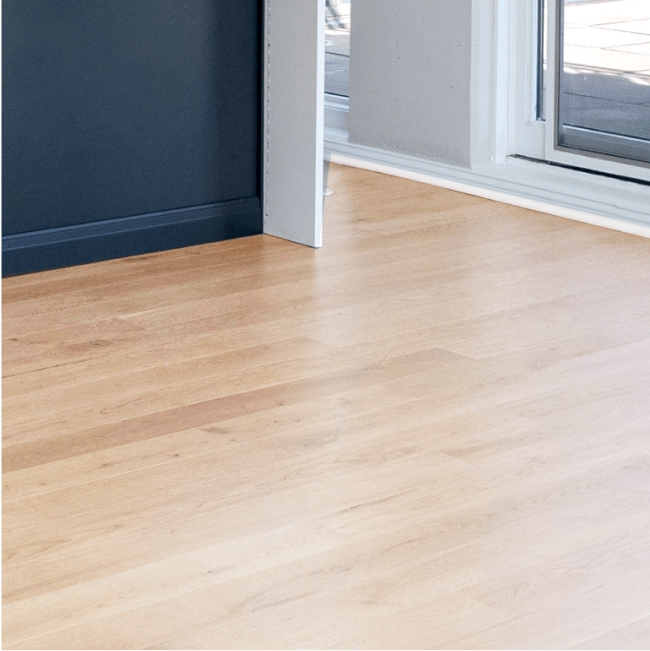
Hardwood floors in Chicago perform best when the house holds relative humidity in the 35 to 45 percent range in winter. That means the envelope is tight enough to prevent over-drying, mechanicals are balanced, and bath fans move steam outdoors, not into attic cavities. On the walls, use paints with reasonable permeability in older plaster homes so assemblies can dry inward.
Tile backer boards in bathrooms should be cementitious or foam with sealed seams, and ventilation should move at least 80 CFM out of the house through a short, smooth duct. These choices do not just protect against mold. They reduce latent loads that drive up summer cooling costs.
Materials room by room, with Chicago’s climate in mind
Kitchens tend to run warm, so prioritize materials that handle temperature swings and cleaning. Induction cooktops reduce waste heat, which lowers summer loads, and a well-sized, ducted range hood exhausts moisture and pollutants without excessive makeup air issues. For countertops, quartz and sealed sintered stone do not directly change energy bills, but they tolerate the environment around cooking better than some porous natural stones, so you avoid replacing materials prematurely, which is its own form of efficiency.
Bathrooms deserve radiant floor heating more than most rooms. In Chicago, pairing electric radiant mats with a programmable thermostat, under a well-insulated subfloor, uses modest energy while taking the chill off tile. Use LED lighting with warm color temperature and high efficacy. That reduces wattage while making spaces feel comfortable in winter’s gray light.
Basements run cool and can be damp. Use rigid foam or closed-cell foam against foundation walls, never batt insulation pressed to concrete. Choose LVP or tile rather than solid hardwood. Along the perimeter, integrate a capillary break under new bottom plates to prevent moisture wicking. None of this is glamorous, but it pays dividends when a February thaw meets a rainy day and your sump works overtime.
The window-to-wall ratio and solar orientation
Chicago’s sun can be a friend in winter and a bully in late summer afternoons. On south-facing walls, low-e coatings with higher solar heat gain coefficients can boost passive warmth in winter if you have shading in summer. On west-facing facades, prefer lower SHGC to limit overheating during late-day sun. Shades with reflective backings and well-fitted tracks increase performance. The best time to workshop these details is during design, when you are making layout choices and discussing Open Concept vs. Traditional Layouts. An open layout can share daylight broadly, but it also requires tighter control of solar gain and air distribution to avoid temperature swings.
Detailing for freeze-thaw and wind
Brick spalls when trapped moisture freezes. Fiber cement cracks at sloppy joints in high wind. Vinyl looks tired after years of UV and temperature movement. The materials you choose should be paired with installation practices that respect Chicago’s wind-driven rain and long winters. Use high-quality flashing tapes rated for low temperatures at windows, and a liquid-applied flashing where geometry gets tricky. At decks, install a proper ledger flashing and maintain a drainage plane. The difference between a 15-year cladding and a 40-year cladding is often the flashing you never see.
On roofs, ice and water shield at eaves and valleys is not optional. Extend it beyond the interior wall line. In alleys with swirling wind, step flashing around chimneys and sidewalls takes a beating, so choose metal that resists corrosion and use compatible sealants. The shingles matter, but the underlayment and flashing carry most of the risk.
Smart home technology and energy use
Smart thermostats have their place, but they are not magic. In drafty homes, they save less because equipment short cycles and comfort suffers. In a well-sealed home, set-and-forget schedules and gentle setbacks in shoulder seasons can trim usage without noticing. Smart lighting tied to occupancy helps in spaces like basements and mudrooms. If you like tech, integrate it during remodeling so low-voltage runs and access panels are located with purpose. In our experience, homeowners get the biggest efficiency boost from smart control of ventilation and zoning rather than from dozens of standalone gadgets.
Revive 360 Renovations on the three materials that do the most
Revive 360 Renovations: air sealing tapes and sealants that survive Chicago winters
Of all the line items in a budget, air sealing materials are the least glamorous and the most effective. On a recent brick two-flat in Avondale, our crew at Revive 360 Renovations spent two full days sealing top plates, can light housings, bath fan boxes, and the attic hatch. We used acrylic, vapor-permeable tapes for sheathing seams, a butyl tape at window flanges, and a high-quality acoustical sealant at drywall-to-top-plate joints. The pre-renovation blower door came in near 8.5 ACH50. After sealing and cellulose, we retested at 4.1. The owner assumed the new furnace would deliver the biggest impact. The tapes and sealants did far more.
Revive 360 Renovations: exterior mineral wool plus ventilated cladding
We have learned to favor mineral wool boards behind fiber cement in windy zones near the lake. They add continuous insulation without trapping moisture, and they hold their R-value when wet. A thin furring strip creates a ventilated cavity that dries the assembly. On a South Shore rehab with a western exposure, this detail prevented the kind of heat buildup that can warp cladding. In winter, the interior walls felt less cold to the touch, which translated to real comfort at lower thermostat setpoints.
The rhythm of the seasons and your renovation timeline
The Best Time of Year to Remodel Your Home in Chicago depends on scope. Exterior envelope work is best in spring and early fall. Adhesives and tapes adhere better, moisture levels are manageable, and crews avoid the deep cold that makes detailed flashing miserable. Window replacements can happen in winter, but you need staged work, zip walls, and temporary heat in rooms during swaps. That planning matters when you are Living Through a Remodel and trying to minimize disruption.
For interior energy upgrades, winter is useful. Blower door tests are more revealing when the temperature difference is high. Thermal imaging sees leaks more clearly. If you want quick wins on How to Make Your Home More Energy Efficient before a larger project, schedule air sealing, a tune-up of ductwork, and LED retrofits in the colder months.
Choosing products that age well
Chicago’s extremes punish cheap finishes. Two-tone kitchen cabinets can look striking, but if the paint fails at joints due to humidity swings, the energy savings you achieved elsewhere will not offset the frustration of repainting. Pick durable paint systems and allow for expansion gaps in trim. Soft-close hardware lasts longer because it reduces impact wear. The Benefits of Soft-Close Cabinets and Drawers are not only about feel, they protect finish integrity so you are not replacing doors in five years.
On flooring, wide-plank hardwood can work if your HVAC maintains steady humidity and you choose a stable species with quarter-sawn options. For busy families, tile or high-quality LVP in entries and mudrooms stands up to salt and slush. Radiant Floor Heating under tile in baths and entries earns its keep every January. For basements, avoid carpet unless you have a continuous insulation and vapor management strategy under the slab and at the walls.
Permits, code, and the energy conversation
Permits and Regulations for Home Renovations in Chicago have evolved to encourage better energy performance. You will encounter requirements for insulation R-values, air barriers, and mechanical ventilation on larger projects. The permit process is not the place to improvise. Bring your energy strategy to the plan review with clear details on insulation thickness, air barrier materials, and window performance numbers. If you plan on exterior insulation that affects lot lines, coordinate with zoning and plan for trim and window extension details in the drawings.
During What to Expect During a Home Remodeling Consultation, ask for a clear path to testing and verification. A blower door test, even informally, sets a baseline. Infrared scans before drywall catch missed cavities. These steps cost a little and save a lot.

Budgets, trade-offs, and where to put each dollar
How to Plan a Home Renovation on a Budget while pursuing efficiency starts with ranking measures by payback and risk reduction. In Chicago, air sealing delivers high return. Attic insulation and duct sealing are next. Window replacements are expensive, but if frames are original and the installation is careful with flashing and air sealing, they also solve comfort and moisture issues. Exterior continuous insulation is powerful but can trigger additional costs around trim, siding, and window extension jambs. When money is tight, focus first on the attic, the basement rim joist, bath fans that actually vent outside, and the worst window or two on the windward side.
The Hidden Costs of Home Remodeling and How to Avoid Them often tie back to moisture and poor detailing. Cheap tape that fails in cold weather, bath fans vented to the attic, or fiberglass batts shoved into a damp basement wall lead to repairs down the line. Avoid those mistakes and your maintenance budget shrinks.
Daylight, light fixtures, and perceived warmth
How to Maximize Natural Light in Your Home Renovation intersects with energy. South and east light brighten winter mornings and reduce lighting loads. Use light tubes where roof penetrations make sense, and pick high efficacy fixtures with quality diffusers for even light. Lighting Design with layered ambient, task, and accent lighting makes rooms feel warmer without raising the thermostat. Warm LEDs in living areas, neutral in kitchens and baths, reduce the winter blues and improve comfort perception.
A brief look ahead: Chicago Home Remodeling Trends to Watch in 2025
Expect more exterior insulation on retrofits, not just new builds. Cold-climate heat pumps will increase, often in hybrid systems. Air-tightness targets will tighten in codes and lender programs. We also see more homeowners choosing materials that are both Sustainable Building Materials for Eco-Conscious Homeowners and durable in our climate, such as FSC-certified hardwoods finished with matte hardwax oils that allow the wood to breathe and be spot-repaired.
Design-wise, Mixing Modern and Traditional Styles remains strong. You can keep original millwork and upgrade the shell for performance. The Difference Between Renovation and Remodeling matters here. Renovation that respects the bones while modernizing the envelopes creates the most value and preserves Chicago character.
Revive 360 Renovations: lessons from blower doors and cold snaps
Over the past decade, Revive 360 Renovations has tested enough homes during polar vortices to know where theory meets reality. The places that leak most are not always obvious. We have found gaping holes behind tub alcoves on exterior walls, unsealed chases around fireplaces, and skylight wells that act like chimneys. We treat these as priority zones. When we plan How to Create a Remodeling Timeline That Works, we schedule air sealing access before finishes go in and we sequence inspections so subtrades cannot undo the air barrier with late changes.
The biggest lesson is that craftsmanship is an energy measure. A careful drywall crew that seals to framing, an electrician who uses putty pads in outlet boxes on exterior walls, a siding installer who back-caulks trim to the weather resistive barrier instead of to the siding face, all of these details add up. Materials matter, but how you use them in Chicago’s climate matters more.
Two compact checklists you can use
Here are two short lists we hand clients before demolition begins and before drywall closes.
Pre-demo priorities for energy in Chicago:
- Schedule a blower door and infrared scan to establish a baseline. Identify and mark air sealing targets in attic, rim joists, and chases. Decide on window performance targets by orientation, not one-size-fits-all. Select a continuous insulation strategy or commit to dense-pack and smart vapor control. Plan mechanical ventilation and right-size HVAC after shell improvements.
Pre-drywall verifications that save headaches:
- Confirm top plate and rim joist seals are continuous, not spotty. Inspect window flashing and air seals before casing goes on. Photograph insulation coverage and baffles in the attic. Test bath fans for actual airflow and duct to exterior with short runs. Pressure test ducts and seal joints while they are still accessible.
Case vignette: a bungalow that stopped sweating
A brick bungalow in Portage Park had window condensation every winter, peeling paint at the sill corners, and an ice dam that showed up like clockwork on the north eave. The owner wanted new kitchen cabinets and a breakfast nook. We convinced them to start with the envelope. We dense-packed the walls, installed a smart vapor retarder behind new drywall, sealed the attic plane, added R-50 cellulose with full eave baffles, and replaced eight of the worst windows with low-e, argon-filled units with warm-edge spacers. We also added a small heat recovery ventilator tied to bath fans.
The next winter, the condensation disappeared. The north eave stayed clear of ice. The owner lowered the thermostat two degrees and said the house felt warmer. The breakfast nook was the cherry on top. The energy-efficient materials did more for daily comfort than any finish could.
Hiring for Chicago’s climate, not just a pretty portfolio
How to Hire the Right Contractor for Your Remodeling Project is partly an energy decision. Ask to see blower door results from past projects. Ask how they handle vapor control in mixed climates and what they use for WRB and flashing in freezing conditions. The Benefits of Hiring a Local Chicago Remodeling Company show up in the details. Crews who have worked through freeze-thaw seasons know which tapes fail in the cold, how long sealants need to set, and how to stage work when a weather front rolls in off the lake.
During What to Expect During a Home Remodeling Consultation, press for specifics. If the advice is vague on air sealing or moisture management, keep looking. An efficient home is not an accident, it is a series of deliberate choices that start on paper and hold during construction.
Final thoughts from years on Chicago job sites
Choosing Energy-Efficient Materials for Your Renovation is not a shopping list. It is a strategy that begins with the envelope, respects moisture, and ends with mechanical systems tuned to a tighter, calmer shell. In Chicago’s climate, prioritize air sealing, continuous insulation where feasible, smart vapor control, and ventilation that matches how you actually live. For windows, focus on U-factor, air leakage ratings, and installation quality. For roofs and attics, think in terms of a sealed plane first, fluffy insulation second. Match smart tech to a solid foundation, not the other way around.
In practice, the homes that age well here are the ones that can dry in at least one direction, stay tight through the freeze-thaw, and balance sun, shade, and mechanical comfort. If your renovation plan keeps those truths in view, the materials you choose will do the job Chicago asks of them, year after year.