The greenest kitchens I have worked on in Chicago tend to share a simple trait: restraint. Not minimalism for the look of it, but careful, thoughtful choices that reduce waste, stretch budgets, and lower utility bills without sacrificing comfort. In a city where a 1920s bungalow might sit next to a new steel and glass build, sustainability means different things on each block. The point is not to chase every eco label. It is to design a system that uses fewer resources and supports the way you actually cook and live.
Chicago’s climate adds its own constraints. Winters drive heat loss and dry indoor air, summers push humidity, and older buildings often hide outdated electrical and plumbing that can undermine even the best energy upgrades. When you plan with those realities, you end up with a kitchen that runs clean and quiet in January, breathes well in July, and costs less to operate year round.
Start with what you already have
The lowest carbon choice is often to keep what works. I have taken homeowners through “green” projects that began with a demolition wish list and ended with a conservation plan. Most of the time, the environmental gains come from preserving more than you expect.
Cabinets provide the clearest example. If your boxes are solid, refacing or painting can avoid thousands of pounds of landfill waste. Cabinet refacing, done right, swaps the doors and drawer fronts, keeps the existing cases, and adds a thin veneer or paint-grade panel to refresh the face frames. It is a middle path between a full rip out and a cosmetic paint job. The better refacing shops use low formaldehyde or no added urea formaldehyde plywood for any new components and waterborne adhesives that off-gas less. Chicago buyers are becoming more discerning about air quality, which is why cabinet painting vs. replacement carries more than a cost angle. You also reduce dust, shorten your construction timeline, and keep the layout intact, which protects energy upgrades you plan elsewhere.
A note on paint: waterborne alkyds and high quality acrylics have come a long way. Applied in a controlled shop setting, they lay down smooth, hard films that resist chips and yellowing. If you want to avoid new materials altogether, you can replace only the doors. Should you replace just your cabinet doors? Here is what to know: it works best when your boxes are square, the face frames are sound, and you are content with the existing hinge line. If not, refacing gives you more flexibility with overlay style and hardware.
Revive 360 Renovations has approached more than one Lakeview condo like this. The owners wanted an entirely new look but dreaded a month of tear out. We kept the cabinet boxes, refaced with a durable, FSC certified veneer, sprayed new doors in a factory finish, and redirected the budget toward induction cooking and a heat pump water heater that had more impact on monthly energy use.
Countertops that balance durability and impact
Natural stone is durable, but quarrying and transport carry a carbon cost. On the other hand, synthetic options vary widely in environmental impact and repairability. The evaluation looks different if you cook daily, entertain often, or plan to sell within five years.
Recycled content surfaces, like some terrazzo style slabs and certain quartz lines, can reduce raw material use. Be cautious with recycled glass tops in active kitchens: knife impact and thermal shock can be unkind. Butcher block scores well from a carbon perspective when sourced from responsibly managed forests and sealed with plant based finishes. It requires maintenance and respect for heat, yet it can be refinished multiple times, which is a https://anotepad.com/notes/xfcd2pgn quiet sustainability win.
Thinscape countertops deserve a look for urban remodels. They are composite, very thin, and lightweight, which lowers transport emissions and lets you reuse existing base cabinets without reinforcement. I have installed them in compact kitchens where every inch matters. They hold up to heat and scratches better than many laminates, and their slimmer profile pairs well with modern fronts. If you prefer a stone look without the heft, they make a modern alternative to traditional stone that still feels substantial under hand.
For those comparing materials side by side, the process mirrors how to choose the perfect kitchen countertop material for your home. Start with abrasive resistance and heat tolerance based on your cooking habits, then layer in embodied carbon, recyclability, and serviceability. A top that lasts 25 years with one refinishing beats a disposable option that needs replacing in seven.
Flooring that respects Chicago’s seasons
A kitchen floor lives hard. It takes the brunt of traffic, moisture, and dropped cookware. I have repaired water damaged floors enough times to have strong opinions. Solid hardwood remains a sound choice if you manage spills quickly and maintain a resilient finish. Reclaimed wood brings character and cuts demand for new lumber. Engineered wood can handle humidity swings in older Chicago buildings where HVAC systems vary by season. Low VOC finishes matter more than brand sheen levels, especially in tight urban homes.
If you want a different route, consider cork or linoleum. Cork has warmth underfoot, and its cellular structure dampens sound, which helps in multi family buildings. Linoleum, made from linseed oil, wood flour, and jute, is not your grandmother’s yellow sheet. It now comes in saturated colors and planks that install cleanly. Both options avoid PVC, which many owners want to minimize. Porcelain tile still wins on pure durability and cleaning, particularly for messy cooks, but plan for radiant underlayment if you dislike cold floors. Heated floors, run intelligently, can replace a radiator along an exterior wall, improving layout and saving energy.
Appliances that move the needle
You can pick every eco surface on the market and still watch your utility bills climb if the appliances lag. For most Chicago kitchens, the largest energy savings come from cooking and refrigeration.
Induction ranges have earned their reputation. They boil water quickly, control low heat for sauces better than most gas burners, and reduce indoor pollutants like nitrogen dioxide. If your row house or high rise has limited electrical capacity, an electrician can often reconfigure circuits during a remodel, especially when you are already opening walls. In older flats, a panel upgrade might be the most meaningful part of the plan. For ventilation, a properly sized, quiet, and efficient hood, vented outdoors when possible, keeps the air cleaner. If a through wall vent is not feasible, filter quality and maintenance on a recirculating hood become crucial.
For refrigeration, look at ENERGY STAR ratings, but also the fit. A large French door unit that forces you to expand the cabinet run has a hidden carbon cost. Counter depth models tighten the kitchen triangle and reduce the volume you cool. If you meal prep weekly, you likely do not need a 30 cubic foot behemoth. On dishwashers, soil sensors and efficient cycles use less water than most hand washing sessions, which helps in buildings with older plumbing where hot water supply is inconsistent.
Water, fixtures, and smarter plumbing
Water efficiency is not just about the faucet’s gallon per minute rating. It also lives in pipe runs and how quickly hot water reaches the sink. Shorter lines from the water heater to the kitchen mean less wasted water, and pipe insulation in unconditioned spaces keeps heat from bleeding into basements or exterior walls. On a recent project in Andersonville, we paired an under sink recirculation pump with a low flow aerator. The homeowners stopped running the tap for a minute to get hot water, and their meter showed the change within a billing cycle.
Choose faucets with replaceable cartridges and metal bodies that can be serviced. For filtration, an under sink system with a dedicated tap avoids buying cases of bottled water and lets you choose the media that targets local concerns, whether chlorine taste, lead, or PFAS. Chicago’s water is treated and tested, but building plumbing varies. Having a licensed plumber assess lines during a remodel is money well spent.
Surfaces, sealants, and the air you breathe
The quiet headache in some new kitchens is indoor air quality. Off gassing from adhesives, finishes, and sealants peaks in the first few weeks after install. You can cut that to a fraction by selecting low or zero VOC products. Not all low VOCs perform the same, so trade experience matters. I have switched away from beautifully labeled sealers that failed on grout within a year. The better options balance low emissions with real durability.
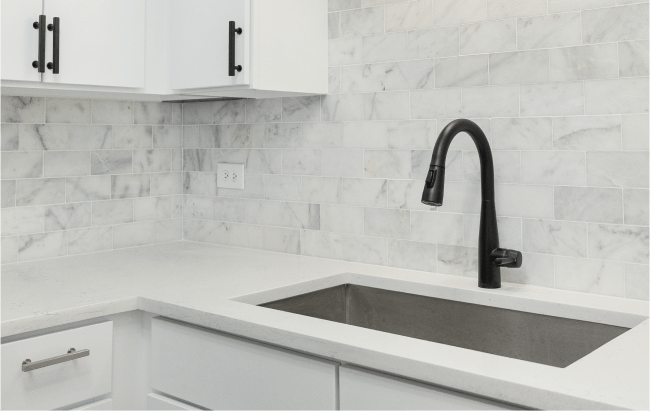
For backsplashes, porcelain and ceramic tile are easy to clean and do not off gas. If you want a continuous surface, a slab backsplash in the same material as the counter reduces grout lines. The complete kitchen backsplash installation guide does not need to be long: prepare a flat, clean substrate, use a white thinset for light stone, and specify epoxy or urethane grout only if you understand the cure time and ventilation requirements. Cement grout still looks crisp, seals well with the right product, and does not require aggressive chemicals to maintain.
Lighting that saves energy and sharpens function
A well lit kitchen uses less energy than a poorly lit one, because you do not overcompensate with wattage. Layer ambient, task, and accent lighting, then use dimmers and tunable LEDs to match the work. Under cabinet fixtures with 2700 to 3000 Kelvin output keep food looking appetizing while easing eye strain. Recessed lights have a place, but in older Chicago ceilings, avoid cutting holes if you cannot guarantee airtight cans and proper insulation above. Surface mount fixtures and track can look modern and keep your air barrier intact.
If you plan a kitchen island, think first about task lighting over the prep zone and second about decorative pendants. Size, style, and functionality need to feel balanced. The best installs I have seen use smaller, higher lumen pendants hung a bit higher than instinct suggests, which cleans sight lines and cuts glare on counters. Smart controls help if they are simple. Complicated apps do not save energy if the household never uses them.
Layout choices that prevent waste
Top kitchen layout trends for Chicago homes in 2025 put clear zones ahead of open everything. The pendulum has swung away from walls of upper cabinets to a mix of tall pantry storage, resilient base cabinets, and targeted open shelves. Open shelves can be sustainable if they reduce the amount of box work and hardware, but they also demand consistent cleaning and visual discipline. The pros and cons of open shelving in kitchen design stay the same: you gain light and reach, you lose dust protection and storage density. In tight kitchens, I aim for one short run of open shelving near the range for everyday bowls and spices, then store the rest behind clean doors.
Galley kitchens remain efficient in condo rehabs, especially when you add glass or a pass through to borrow light. L shaped layouts with a compact island work well in bungalows and two flats when you can open a wall partly without tearing up the structure. Do not chase an island if it creates awkward circulation. The better investment might be a counter to ceiling pantry cabinet with drawers and vertical dividers that make the same square footage work harder.
Maximizing storage in a small Chicago kitchen leans on drawer based bases, pull out pantries, corner solutions that do not pinch, and a ruthless inventory of what you actually use. On a project in Lincoln Square, we gained 30 percent more usable storage without increasing the footprint by replacing three doors with two deep drawer stacks, adding a tray divider above the oven, and allocating one tall cabinet strictly to small appliances on pull out shelves.
Materials that endure, and how to finish them
Sustainable choices last. When you choose cabinet finishes, aim for materials that accept repair. Painted cabinets are easier to touch up than stained ones, and stain shows less wear on edges than pure paint. The decision rarely comes down to either or. A mix, with painted perimeter and a stained island, hides daily scuffs and gives visual relief. Cabinet painting vs. staining also intersects with resale. The best cabinet colors for resale value in Chicago have skewed toward soft whites, warm grays, and light natural woods. Saturated hues show up in islands or appliance panels where they can be updated later without redoing the entire kitchen.
Hardware, small but important, can also be a sustainability choice. Solid metal pulls with standard hole spacing allow you to change styles later without drilling new holes. Soft close hardware reduces slamming that stresses casework. The lesson from the field is simple: specify quality slides and hinges and you double the life of a cabinet.
Energy envelope touches that kitchens enable
A kitchen remodel opens walls. Use that access to improve the building. Air seal penetrations, add mineral wool or dense pack cellulose in exterior walls if they were empty, and insulate rim joists in the basement under the kitchen. If your home still has leaky, uninsulated recessed lights in the kitchen, take them out and patch the ceiling before installing new surface fixtures. A tight envelope lets your efficient appliances perform as designed.
For windows near the sink, choose units with good U values and proper glazing for your orientation. Shade summer sun with exterior elements when possible, or use interior shades that block heat gain without darkening the room.
Waste management that makes a difference
Debris decisions matter. On one West Town project, we separated clean drywall, metal, and wood at the source. The dumpster vendor hauled each stream to the right facility, and we diverted an estimated 60 percent of waste from the landfill. Habitat for Humanity’s ReStore will accept intact cabinets, appliances, and fixtures. Demolition crews can be trained to remove doors and hardware without splintering frames. It takes extra time on the front end, but it pays off when the new materials arrive and everyone knows this is not a smash and dump job.
Low impact jobsite practices extend to dust control. Use HEPA vacuums on tools, plastic containment with negative air machines when you sand or cut, and clean daily. Your crew breathes better, and you reduce particulate pollution in the neighborhood. Neighbors notice.
Budget strategy for a sustainable remodel
The Ultimate Guide to Kitchen Remodeling Costs in Chicago often focuses on averages, but the real story is in allocation. A green budget puts less into finishes that can be swapped later and more into systems you will not touch again for 20 years. I have watched owners fall for a slab that ate 20 percent of the budget, then skip the panel upgrade needed for induction. Flip that. Fund the electrical, ventilation, and insulation, then choose a durable counter that fits the remainder. You will feel the benefits every day.
Budget friendly kitchen updates that make a big impact include swapping to LED lighting, installing an induction cooktop with a portable unit if a full range has to wait, adding a pull out waste and recycling center, refacing instead of replacing decent cabinets, and sealing air leaks you discover during wall work. None of these carry a luxury price, yet they reduce energy use and improve function.
Timelines, permits, and living through the work
How long does a kitchen renovation actually take? In Chicago, permit review can add weeks depending on scope and whether structural changes are involved. Once on site, a light eco focused refresh that includes refacing, countertops, a backsplash, lighting, and appliance swaps can land in the 3 to 6 week range. A full gut with layout changes, electrical service upgrades, and envelope work can extend to 8 to 14 weeks. The green choices do not necessarily slow things down. In fact, painting or refacing cabinets can shorten lead times when new cabinetry would take 10 to 14 weeks to build and ship.
How to plan a kitchen remodel while living in your home comes down to a clean temporary kitchen, predictable work hours, and communication. Set up a microwave, induction hot plate, and a small prep station in another room. Pick quiet hours that respect your building or block. Ask your contractor to map noisy tasks and any times when ventilation will be strong, like during floor finishing, so you can be away.
Case lessons from Revive 360 Renovations
Revive 360 Renovations has learned that a sustainable remodel succeeds when the client understands the sequence. We recently completed a Greystone kitchen in Bronzeville where the wish list included a walnut island, new appliances, and a healthy air strategy. The building’s electrical service was marginal, and the exterior wall had no insulation. We phased the project. First, we upgraded the panel and ran new circuits while the walls were open. We dense packed the exterior bay with cellulose, sealed gaps around old plumbing penetrations, and insulated the rim joist in the basement below. Only then did we install the appliances and finishes. The walnut island came from a local mill using storm fallen stock, finished with a plant based oil that can be refreshed without sanding. The result felt warm, quiet, and efficient, not just new.
On a different project in a South Loop high rise, the board limited exterior venting. Revive 360 Renovations selected a recirculating hood with high quality carbon and HEPA filtration, designed a maintenance schedule the owners could follow, and specified induction to cut combustion byproducts at the source. We built a slender broom and filter cabinet next to the fridge so the owner would never stash replacement filters in a random closet and forget them. Sustainability often lives in these mundane choices.
Revive 360 Renovations guidance on right sizing your kitchen
A trap in eco design is oversizing to feel future proof. Bigger is not greener if you do not use it. Revive 360 Renovations encourages clients to track habits for two weeks before finalizing plans. How often do you bake? How many burners do you actually use at once? What small appliances have not left the cabinet in a year? The answers drive the plan. A couple who batch cooks on weekends might need a larger sink and more freezer space, while a family that cooks nightly could benefit from two dishwashers and a smaller, more efficient fridge they can access without bending. The right size avoids wasted energy and materials.
A compact, high impact checklist
Use this only to anchor decisions, not replace a thoughtful design process.
- Keep or reface solid cabinet boxes to reduce waste, and use low VOC finishes. Choose induction cooking, a right sized efficient fridge, and a quiet, effective hood. Insulate and air seal while walls are open, and upgrade electrical service if needed. Select durable, repairable surfaces like FSC wood, porcelain tile, cork, or Thinscape. Plan water efficiency with short hot water runs, insulated pipes, and serviceable fixtures.
Smart choices for Chicago’s housing stock
Brick two flats and Greystones carry thermal mass and character. Frame bungalows and worker cottages have flexible interior walls but can be drafty. Newer condos often have modern systems but strict building rules. Sustainable kitchen design adapts to each context. In a brick two flat, it may mean adding interior insulation strategically without trapping moisture. In a condo, it may mean making the most of electrical capacity and a tight footprint with modern kitchen design ideas for small spaces, like integrated toe kick drawers, taller upper cabinets with a stepping stool plan, and multi use islands with shallow storage.
The ROI of kitchen remodeling in Chicago still balances on function and finish, but low operating costs are becoming part of the conversation. Buyers ask about induction, efficient lighting, and filtered water as often as they ask about the brand of the stove. If resale is on your mind, align your green choices with features that read well at showing time: clean indoor air, quiet operation, comfortable floors, and logical storage. The best neutral paint colors for home resale still apply in the kitchen. They let the light and materials do the work.
When to go custom, and when to standardize
How custom kitchen cabinets transform your cooking space is not only about looks. Custom lets you size drawers for the pans you use, reach storage without a step stool, and fit awkward walls in older buildings where nothing is square. It also reduces filler panels, which saves material. The trade off is lead time and cost. Semi custom lines with sustainable certifications and formaldehyde free cores have improved, and they often hit the sweet spot for most homes.
Hardware selection is a surprising sustainability lever. How to choose hardware that complements your kitchen cabinets includes thinking about feel and lifecycle. Heavy pulls feel better and will not end up in a landfill because the finish pitted in three years. Choose finishes that wear gracefully, like satin nickel, patinated brass, or matte black with durable coatings.
Maintenance, the long game of sustainability
After the dust settles, maintenance habits decide whether your green choices pay off. Learn how to maintain your hardwood floors like a pro with gentle cleaners and mats at entries. Seal grout on a schedule you can remember. Clean hood filters monthly if you cook often. Replace water filters on time. Touch up cabinet paint as soon as you notice a chip so it does not spread. Tile grout cleaning and maintenance tips are not glamorous, but they preserve materials and keep you from premature replacement.
If you ever face unexpected damage, like a leak from an upstairs unit, act fast. Restoring hardwood floors after water damage is often possible if you catch it early. Dry the area, address moisture under cabinets, and refinish locally rather than ripping out entire runs. Sustainability does not prevent emergencies, but it teaches a bias for repair first.
Pulling it together
An eco friendly kitchen in Chicago is not a single product or a rigid checklist. It is a series of wise, context aware decisions. Preserve what works, invest in systems that cut energy and water use, choose surfaces that endure, and keep an eye on indoor air. When owners align aesthetic goals with these principles, the kitchen serves better, costs less to run, and feels grounded in the building’s history and the city’s climate.
Sustainability also reads in the small moves. A right sized island that improves flow rather than crowds it. A pantry that tames packaging without wasting space. A faucet that fixes with a simple cartridge swap. These choices add up more than a single green label can suggest. Chicago rewards that practicality. It is a city built on craft, on trades that value sturdy work, and on homes that adapt as families and neighborhoods evolve. If your remodel follows that lead, your kitchen will too.