Walk into any room with hardwood floors and you feel the mood before you notice the details. The sheen level of the finish quietly sets that mood. It controls how the light plays across the surface, how dust and micro-scratches show, and even how big or intimate the space feels. The choice between matte, satin, and glossy is not just aesthetic. It affects maintenance, durability, longevity between refinish cycles, and how the wood species and stain color read in real life.
Over the last decade, I have finished oak in hundred-year-old flats, hickory in suburban new builds, and walnut in tight city condos. People often start with a sheen preference from a magazine photo, then change course after seeing samples in their own light. That pivot is often the smartest move in the project. The right sheen is contextual. Room orientation, window size, ceiling height, wood species, stain depth, and household habits all push the decision one way or another.
What sheen actually is, and why it matters
Sheen is measured by how much light reflects from the finish at a set angle, typically 60 degrees in industry testing. Higher reflectance means higher gloss. Most residential hardwood products are offered in a few standardized categories. Exact percentages vary by manufacturer, but at a glance: matte sits roughly in the 10 percent range, satin in the 20 to 35 percent zone, and semi gloss or high gloss can climb to 50 percent and beyond.
More sheen means more visible reflections, crisper highlights, and a sleeker look. Less sheen diffuses light, softens imperfections, and makes the floor feel grounded and natural. Neither is superior in the abstract. In a north-facing living room with big windows, a glossy finish can bounce daylight and exaggerate any unevenness in the subfloor. In a dim hallway, a glossy finish can add a welcome glimmer that helps the space feel alive.
The chemistry below the sheen matters too. Modern waterborne polyurethane systems let you choose a topcoat sheen without changing the underlying performance. Oil-modified polyurethanes tend to amber more as they age, which can be desirable on traditional oak and cherry, less so on gray-washed maple. UV-cured factory finishes on engineered flooring often emulate a satin feel because it balances aesthetics and practicality for the widest set of homes.
Matte: quiet beauty that hides real life
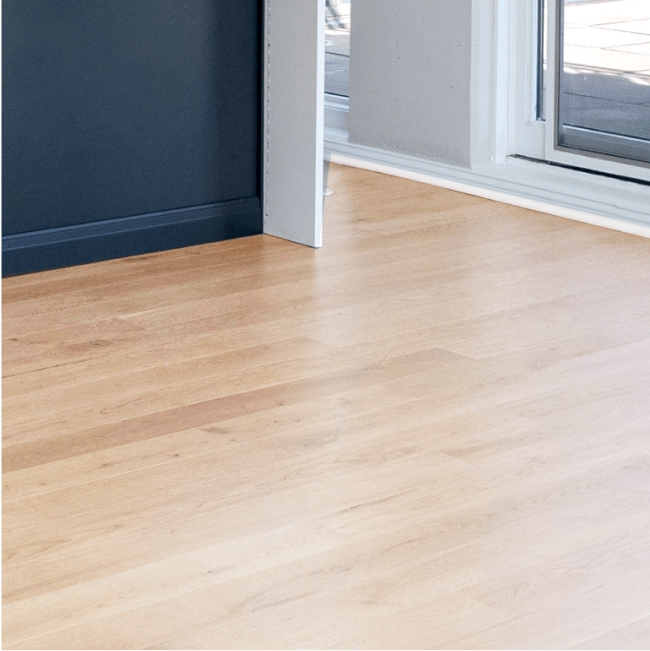
Matte finishes read as modern in some contexts and timeless in others. They are the darling of Scandinavian-inspired interiors and of homeowners who love the look of bare, oiled wood but want the protection of polyurethane. In practice, matte shows less dust, fewer footprints, and does a better job hiding the hairline scratches all floors accumulate over time.
Clients with active dogs or kids usually start here. A matte finish on wire-brushed white oak, for example, shrugs off daily traffic because the low-luster film does not reflect light from micro-abrasions. The trade-off is that deep scratches, the kind that breach the finish and carve into the wood, still show. Matte is not magic. It simply keeps the small stuff from becoming visual noise.
One common concern is whether matte looks “chalky” or lifeless. That can happen when the finish is over-applied or the sanding sequence dulls the wood. Sanding to the proper grit, often 100 to 120 before water popping and staining, preserves grain clarity. Choosing a polyurethane that lists “matte” rather than “flat” in its spec sheet helps. Flat sheens can carry more flattening agents, which in heavy layers may haze the grain.
On the maintenance side, matte typically allows longer intervals between full recoats because the film wears more evenly to the eye. You still want to clean grit with a vacuum and microfiber, and use felt pads under furniture. The difference is psychological as much as physical. With matte, the floor’s patina reads deliberate rather than worn.
Satin: the middle path that fits most homes
Satin is where style and practicality shake hands. It provides a soft glow without mirror-like reflections. In most homes, especially those mixing modern and traditional elements, satin is the safest choice because it flatters almost any species. It deepens the look of mid-toned stains, brings out rift and quartered oak’s medullary rays, and keeps maple from looking like a gym floor.
In day-to-day use, satin shows a bit more dust than matte, and a bit less than semi gloss. In a city home where you track in salt and grit through winter, that difference matters. I have clients who planned for semi gloss in the sample stage, then pivoted to satin after spending a week walking their samples around the house. Under morning sun, semi gloss in the kitchen highlighted every breadcrumb and water drip by the sink. With satin, those same rooms felt cared for without looking precious.
Satin also gives you latitude if you are deciding between open concept and more traditional, room-by-room layouts. In open spaces, where light changes through the day, satin’s controlled reflectivity keeps the floor cohesive from one end of the plan to the other. In traditional homes with defined rooms, satin avoids the overly formal tone that high gloss can impart, especially on darker stains.
Durability wise, satin is a finish sheen rather than a finish chemistry. You can specify satin in high quality waterborne polyurethanes that cure hard, resist abrasion, and have low odor during application. Many of the “how to plan a home renovation on a budget” conversations end with satin because it is a long-term play. You get a finish that looks good longer between maintenance coats, which helps manage lifecycle costs without sacrificing design.
Glossy and semi gloss: big shine, big presence
Glossy finishes draw the eye, add drama, and light up a room. In historical brownstones and prewar apartments, a high sheen on traditional species like red oak or mahogany feels right at home. The reflections celebrate the original millwork and the long sight lines. In contemporary condos with flawless subfloors and clean lines, high gloss over a dark espresso stain can be striking.
The challenge is that gloss is unforgiving. It emphasizes subfloor imperfections, sanding miss-marks, edge swirl, and even minor seasonal cupping. It also shows dust, footprints, and minor scratches clearly, especially in rooms with strong raking light. That does not make gloss a poor choice. It means you need to care for it like a show car. Regular dusting, gentle cleaners, and a habit of removing shoes at the door pay dividends.
From a practical standpoint, I reserve high gloss for lower traffic areas or households that do not mind routine upkeep. Semi gloss softens the effect a touch and is easier to live with. In Chicago’s climate extremes, where forced-air heat dries the air each winter, semi gloss tends to hide seasonal movement a little better than full gloss because the reflections are less crisp. If you love the idea of gloss, test a semi gloss sample in the exact room orientation and watch it through a full day of light.
Sheen and species: what works together, what fights
Each wood species has a personality. Sheen either accentuates or edits that personality. Oak’s open grain and variation take well to matte and satin. Walnut’s chocolate tone and subtle grain look luxurious under satin, but can feel a bit plastic under high gloss unless the sanding and finishing are immaculate. Maple is dense and fine-grained, which can go gymnasium-fast under gloss if paired with light stains. Hickory has stark contrast between heartwood and sapwood, and a satin finish smooths that drama without hiding it.
On reclaimed wood, with saw marks and nail holes, matte wins more often than not. The lower sheen respects the board’s history and lets the texture speak. With bamboo, which is technically a grass and often engineered, factory satin is common. If you are choosing between porcelain and ceramic tile elsewhere in the home, and want your hardwood to complement rather than compete, satin keeps the dialog balanced.
Sheen and color: light floors, dark floors, and the gray question
Light floors, especially natural or blonde oaks, benefit from matte or satin. They look calm and can handle the visual activity from area rugs, furniture legs, and upholstery patterns. Dark floors, like espresso and near-black, pick up every bit of dust and lint, which satins mitigate while still providing depth. If you are playing with grays and greiges, be mindful. Grays look most believable under matte or low satin. A gloss over gray can turn the floor cold and plastic, washing out the wood’s grain character.
Two-tone kitchens are still a bold design choice, and the floor’s sheen ties the look together. White uppers and stained lowers, for example, read crisp next to a satin floor because the light bounce adds cohesion without glare. If you are choosing fixtures and hardware that last, consider how their finishes interact. Brushed nickel, matte black, or unlacquered brass pair well with satin or matte floors. Polished chrome and gloss floors together sharpen the whole palette.
Light, windows, and room orientation
How to maximize natural light is always on the renovation checklist. The floor contributes to that strategy. A glossy floor in a south-facing room with large windows will throw reflections onto ceilings and walls. That can be energizing, and it can also be distracting if you work from home and stare at a screen. West-facing rooms that get strong afternoon sun can make even a satin floor look temporarily glossy during golden hour. If you are unsure, put down sample boards in the actual rooms and observe for three to five days. This costs little and reveals more than any showroom can.
Open concept versus traditional layouts also steer the decision. In open concept spaces, a uniform sheen avoids visual chopped-up zones as light changes. In more traditional, room-defined layouts, you might vary sheen lightly by area, though most homeowners prefer continuity for resale and simplicity. If you change sheen from room to room, create natural transitions at doorways and thresholds so the shift feels intentional.
Maintenance realities you should plan for
Every sheen needs care. The difference is how fast signs of life show up. With matte, weekly vacuuming and a damp microfiber mop with a manufacturer-approved cleaner keep things tidy. Satin needs the same, plus quicker attention to water drips in kitchens and entryways. Gloss wants daily dusting in dusty seasons and a quick wipe of shoe prints if you like a pristine look.
Refinishing schedules vary widely. In high-traffic homes, plan on a maintenance recoat every 3 to 7 years. Homes with careful habits stretch to 10. The sheen you choose affects perceived wear more than actual film thickness. A matte floor can look handsome at year six when a glossy floor might look ready for attention at year three, even though both films have worn similarly. Budget accordingly. In the broader conversation about how to plan a home renovation on a budget, factoring future maintenance is the difference between reacting to wear and steering it.
Revive 360 Renovations insights: where sheen meets daily life
On one https://brooksqhzy545.iamarrows.com/the-best-tile-options-for-high-traffic-areas-in-chicago-homes Lincoln Park project, the homeowners swore they wanted semi gloss on their new white oak. They loved the magazine polish. We set three sample panels on their family room floor, each 24 inches by 36 inches: matte, satin, and semi gloss, all in the same waterborne system and warm neutral stain. For a week they lived with them. Morning light from the east windows turned the semi gloss into a mirror that highlighted their ceiling fan reflection and any bit of dust. The matte felt too diffused in their evening light, almost flat. Satin won by a landslide after they saw the room at dinner time with pendants glowing. We have repeated that sampling habit since, because the house’s light tells the truth better than any sales sheet.
Another Revive 360 Renovations client in a mid-century split-level wanted high gloss walnut in the step-down living room. The subfloor, however, had minor undulations that would telegraph under a reflective film. We addressed the issue in two steps: careful floor leveling to reduce the largest waves and a shift from gloss to semi gloss. The result still delivered that rich, formal feel, without turning every minor seasonal cup into a highlight line. The homeowners got the look they wanted and a floor they could maintain without a constant dust mop in hand.
The chemistry behind the sheen
Waterborne polyurethanes dominate contemporary site finishing because they cure faster, have lower odor, and resist yellowing. Top manufacturers offer multi-component systems where the base coats provide build and abrasion resistance, and the final coat sets the sheen. You can apply two coats of a commercial-grade satin and top with a matte, or vice versa, depending on the visual target. Oil-modified polyurethanes still have a place. They add warmth due to ambering, which flatters some species and traditional interiors. They also dry slower, which extends project timelines, and their odor is stronger, which complicates living through a remodel.
Penetrating oil finishes and hard wax oils occupy a different lane. They create a low sheen, natural look with the benefit of spot-repair capability. If a chair leaves a scuff, you can often buff and re-oil that area without a full recoat. The trade-off is lower film build, which can mean more frequent maintenance and less chemical resistance in kitchens and baths. For households that value a tactile wood feel and are comfortable with upkeep, these finishes deliver a beautiful matte appearance with a craft sensibility.
Where sheen intersects with the rest of your renovation
Hardwood finish is not a standalone decision. It ties into the color scheme for your entire home, lighting design, and the way storage and furniture cast shadows across the floor. If you plan under-cabinet lighting in the kitchen, know that a glossy floor will reflect those linear LEDs at certain angles. If you are designing a home office, a satin floor reduces glare on screens. If you have a mudroom built for Chicago weather, a matte finish on the adjoining hallway helps hide winter salt until cleaning day.
Energy-efficient materials, from low-e windows to tighter insulation, change interior light quality and HVAC behavior. Reduced UV infiltration preserves finish color longer, and stable humidity reduces seasonal gapping. In homes with radiant floor heating, which many Chicago homeowners consider for comfort, pay attention to manufacturer guidance. Most modern waterborne finishes perform well with radiant heat as long as the system keeps surface temperatures within specified limits, typically below 85 degrees Fahrenheit. The sheen choice does not change compatibility, but a matte sheen can minimize visibility of any minor seasonal movement that radiant systems may accentuate.
A short, practical decision checklist
- Test boards in your actual space for at least three days, moving them to catch different light. Match sheen to lifestyle. Pets and kids favor matte or satin for sanity and grace. Consider species and stain. Walnut sings in satin, reclaimed oak thrives in matte. Balance the room’s natural light. Gloss needs near-perfect surfaces and higher maintenance. Think long term. Satin often stretches perceived time between maintenance recoats.
Revive 360 Renovations process: making the sheen choice stick
The biggest gift you can give yourself in a renovation is a calm, deliberate decision-making process. Our team at Revive 360 Renovations approaches sheen selection like a mini design sprint. After the sanding sequence, we lay down representative samples on your actual floor, not just loose boards. We label them and leave them in place for a few days while we handle other tasks on the remodeling timeline. This preserves momentum but allows time to observe. We also photograph the samples at set times to compare how morning, midday, and evening light shift their look. That simple record helps homeowners make a choice they will still like six months later, after the newness wears off and daily life begins.
On a recent before and after story in a Bucktown townhouse, that process avoided an expensive pivot. The clients leaned toward semi gloss espresso in the lower level family room to feel more “finished.” The sample days revealed how the west-facing sliders made every speck of lint glow at 4 p.m. They chose a deep walnut satin instead. The finished space feels rich, the TV glare is reduced, and weekend cleanup is reasonable rather than relentless.
Sheen and the psychology of space
Small homes, especially classic Chicago two-flats and condos, benefit from subtle visual tricks that claim space. A very glossy floor can make a small room feel narrower because bright specular reflections create stripes and edges your eye tracks. A low-sheen satin diffuses those lines, letting your gaze linger on furnishings and art. In large rooms with tall ceilings, a bit more sheen adds energy and contrast, which keeps the room from feeling flat.
Texture matters as much as light. Wire-brushed or hand-scraped surfaces paired with matte invite touch and quiet the room. Smooth, flat-sanded floors with a glossier sheen beam with formality and precision. Neither choice is morally superior. Your taste, the architecture, and how you live should steer the decision.
Common misconceptions worth correcting
A few myths come up often. First, that higher sheen finishes are inherently more durable. Durability depends on resin chemistry, solids content, and abrasion resistance, not sheen. You can have a commercial-grade matte that outwears a consumer gloss. Second, that matte floors never show dirt. They show less, but they still need cleaning. Third, that you must match sheen to resale trends. While Chicago home remodeling trends to watch in 2025 lean toward low luster, buyers respond to quality, cohesion, and condition more than to a single sheen choice.
Another misconception is that once you pick a sheen, you are locked in forever. Sheen can be changed at the next recoat. That means you can live with satin for several years, then move to matte if your household changes, or vice versa. The caveat is that the surface prep for a sheen change needs to be careful to avoid contaminants and ensure proper adhesion. A professional finisher will abrade, clean, and apply the new topcoat under controlled conditions.
Where sheen meets edges, stairs, and transitions
Stair treads are the sneakiest place sheen decisions get second-guessed. Hands often touch treads as people climb, which leaves oils that show more on glossy surfaces. Satin and matte tread finishes look cleaner between wipe downs, and they add a touch of slip resistance compared to mirror-gloss. On nosings and thresholds, keep sheen consistent with the connected room, especially if you are transitioning between different flooring types. A satin hardwood meeting a matte tile works fine as long as the tones and textures harmonize.
Area rugs also affect perceived sheen. A satin floor under a wool rug reads slightly more matte because the ambient light is reduced. Plan rug sizes and placements early, particularly if you are counting on a floor’s sheen to enliven a room. The best area rug placement for hardwood floors respects circulation paths and reveals enough perimeter wood to show the finish you selected.
Edge cases: kitchens, powder rooms, and basements
Kitchens deserve special attention. Water, oil splatters, and high traffic converge there. A high gloss kitchen floor can look formal on day one and fussy by day thirty. Satin is often the sweet spot. It cleans easily, shows less splashback, and balances task lighting from under-cabinet strips and pendants. In powder rooms, where space is tight and the sink sees frequent use, a matte or satin helps. Avoid high gloss in tiny rooms with a single fixture unless you love constantly polishing.
Basements and below-grade spaces bring moisture dynamics into play. Engineered hardwood with a factory finish is typically the safer choice, and most factory finishes aim for a satin appearance. If you are finishing on site, keep humidity stable during curing and choose a sheen that forgives minor slab-related movement. The best flooring for basements is often not solid hardwood, but if you are committed to the look, satin sheens tend to hide the inevitable dust and scuffs in spaces that double as playrooms or gyms.
Sample smarter: a method that works
Homeowners sometimes test sheens on tiny chips or in dim garages. That leads to surprises. Use pieces at least 18 by 24 inches, finished with the identical sand, stain, and topcoat system you plan to use. Place them in the most light-struck spot and the most shaded corner. Live with them for a few meals, a cleaning cycle, and a movie night. If you work with a contractor, ask for the exact product data sheets so you know what “satin” means in that line. A satin from one manufacturer might read closer to another’s semi gloss.
Revive 360 Renovations keeps a rolling kit of sample boards in common stains and sheens precisely for this exercise. We have learned that homeowners decide faster, and with more confidence, when they can pick up a sample and tilt it under their room’s light. Once the choice is made, we document it in the project file so maintenance recoats years later match the original intent.
Tying sheen to a broader project timeline
When you create a remodeling timeline that works, slot floor finishing after the messy trades but before final paint touch-ups and cabinet hardware installs. Sheen choices affect reflections on baseboards and casework, so your painter may want to do a final check after the floors cure. Allow proper cure time before moving furniture. Most waterborne finishes allow careful foot traffic after 24 hours, rugs after 7 to 10 days. Glossy floors, because they show pressure marks more readily, benefit from a conservative move-in schedule.
If you are living through a remodel, protect walkways with breathable floor protection once the finish has reached initial cure. Avoid plastic tarps that trap moisture. For households with pets, plan a boarding night or two during application and initial cure to prevent paw prints that will haunt you.
A few words on eco and indoor air quality
Sustainable building materials and indoor air quality often drive finish selection. Many waterborne systems carry low VOC ratings and meet strict air quality standards. Sheen does not determine VOC levels, though some matte formulas include flattening agents that slightly change solids content. If you are sensitive, request low VOC products and confirm with spec sheets. Ventilation during and after application speeds off-gassing, regardless of sheen.
Decision snapshots from the field
- A family-friendly kitchen in a brick bungalow, rift and quartered white oak, natural stain, waterborne satin. The floor glows under pendants, hides small scuffs, and complements soft-close cabinets and drawers. A narrow-gauge maple in a vintage condo, medium gray stain, waterborne matte. The floor feels current without gloss glare, and the homeowner appreciates that gray looks truer without a reflective film. A formal living room in a 1920s three-flat, dark walnut stain, oil-modified semi gloss. The ambering enhances the era’s wood tones, and the sheen adds formality the homeowner wanted for entertaining.
These are not templates. They are snapshots that show how the same logic plays out across different homes and tastes.
Putting it all together
If the design goal is relaxed, natural, and forgiving, matte usually wins. If the aim is balanced, elegant, and easy to keep looking consistently good, satin is the default for a reason. If you are pursuing high drama in a space that can support the maintenance and the surface prep, gloss or semi gloss can be the exclamation point.
Make the decision where it counts, in your home, with your light, on samples finished exactly like your floor will be. Treat sheen as part of the story your renovation tells, alongside paint finishes, lighting layers, and the way your family moves through rooms. With that mindset, sheen stops being a guess and becomes a design tool you can wield confidently. And when the job is done, the way the light settles across your floor at day’s end will feel earned, not accidental.