Homes in Chicago sell on story as much as square footage. Buyers read the space for clues about care, comfort in winter, resilience in summer, and whether daily life will function without friction. Strategic renovations focus on that story. The goal is not to gold-plate every surface, but to invest where Chicago buyers place the most weight: heat and envelope performance, kitchens built to work, baths that feel clean and current, storage that tames coats and boots, and layouts that balance openness with privacy.
Over the past fifteen years working on homes from Andersonville greystones to Bronzeville bungalows and West Loop lofts, I have seen the same pattern. Well-planned, mid-scope projects that respect the architecture, improve energy efficiency, and solve practical pain points tend to return more than their cost at resale, while also making day-to-day life better if you plan to stay.
Where value comes from in Chicago’s housing stock
Chicago’s neighborhoods carry distinct building types: two-flats and three-flats converted to single-family homes, worker cottages with narrow floor plates, courtyard buildings, and concrete lofts with soaring ceilings. Each type has common deficiencies and high-impact fixes.
Greystones often suffer from drafty windows and tired kitchens that were modernized decades ago with the wrong scale. Worker cottages need better circulation and light on long, narrow lots. Lofts usually require acoustic solutions, zoning for warmth in winter, and kitchen layouts that respect the open volume. The market rewards renovations that solve these type-specific problems without erasing character. A 1908 oak newel post belongs. So does a high-efficiency boiler with smart controls.
What that means in practice is this: prioritize the building envelope and systems first, then the rooms that make or break a showing, and finally the flourishes that set listings apart without scaring off traditionalists.
Timing and planning: the silent levers of ROI
Chicago winters dictate schedule more than ambition. The best time of year to remodel your home in Chicago depends on scope. Exterior work, window replacement, roofing, and masonry tuckpointing go faster from late spring through early fall. Interior projects, especially kitchens, baths, and flooring, can proceed year-round, but moving freight and material in deep winter requires extra planning for heat and humidity control. If you want cabinets ready for a March install, order in January and line up trades in sequence. That is how to create a remodeling timeline that works, not one that works only on paper.
Budget planning must include contingencies for hidden conditions. In pre-war buildings I assume 10 to 20 percent for unknowns: galvanized plumbing that crumbles once disturbed, out-of-plumb walls, or joists notched by prior trades. How to plan a home renovation on a budget is less about finding the cheapest fixtures and more about sticking to scope, deciding where you will not compromise, and building a buffer for surprises.
Kitchens that earn their keep
A good Chicago kitchen anchors the home. It handles soup season, football gatherings, and weekday rush without becoming a traffic jam. Resale follows function. I have watched buyers fall in love with kitchens that paired quartz or sintered stone counters, durable shaker or flat-panel cabinets with soft-close hardware, and well-planned storage. The trends that will still look right in 2025 and beyond favor warm woods, two-tone cabinets executed with restraint, and workhorse finishes that do not need babysitting. Two-tone kitchen cabinets work when the darker base grounds the room and the lighter uppers keep it airy. They fail when the contrast is jarring or when three or more tones compete.
Families often ask whether to install a farmhouse sink or an undermount. Farmhouse sinks bring character and depth for sheet pans, but they require careful cabinet planning and can chip under rough use. Undermounts are cleaner, easier to wipe, and generally less fussy, which makes them a safe choice for resale. Kitchen ventilation matters more than buyers say out loud. In a brick two-flat with a tight envelope, a properly sized, quiet range hood that vents outside saves paint and improves air quality. It also signals that the remodel respected the building rather than decorating around its physics.
Storage wins deals. Deep drawers for pots, a dedicated baking zone with a mixer lift, and a pantry that suits the home’s scale make daily life smoother. Walk-in pantries are wonderful when space allows, but a well-designed butler’s pantry with tall cabinets and under-cabinet lighting can deliver similar function on a smaller footprint. The best appliances for small kitchens are often 24 to 30 inches wide, panel ready, with slide-in or induction ranges that free up counter space.
Bathrooms that age gracefully
Bathrooms carry disproportionate weight in inspections and appraisals. A clean, heated tile floor in a primary bath tells a story about winter mornings. Radiant floor heating is not a luxury in Chicago, it is sanity. In small baths, wall-mounted toilets recover valuable inches and simplify cleaning. Frameless shower doors feel current and expand the visual footprint, though framed units may better contain heat in a drafty room.
Wet room design has become more popular in higher-end projects. When executed correctly with continuous waterproofing, a slight slope, and proper ventilation, it can elevate a primary suite. For most mid-market homes, a curb-less shower with a linear drain delivers the same accessibility and modern feel at a lower cost. Still, ventilation is non-negotiable. A quiet, properly ducted bathroom fan prevents mold and mildew that ruin grout and scare buyers. I aim for 1 cfm per square foot as a starting point and pay attention to duct runs to minimize noise.
Material choices should favor durability. Porcelain over ceramic on floors, epoxy grout in high-splash zones, and quartz or sintered stone vanity tops that shrug off hair dye and toothpaste. Recaulking, regrouting, and swapping tired mirrors for proportionate, well-lit options can create a before and after transformation without moving plumbing.
Envelope first: windows, insulation, and mechanicals
I have never regretted a client’s decision to invest in the envelope. Chicago nights expose weak insulation and leaky windows. Proper air sealing and attic insulation can lower heating bills by 10 to 25 percent, and buyers feel the difference at a showing. On vintage homes, original wood windows with storm panels can perform if restored and weatherstripped. If replacement makes more sense, choose high-quality fiberglass or clad units with low-E coatings appropriate to orientation. The cheapest vinyl windows may look fine on day one but often warp or discolor and can drag down appraisal comments.
Furnace and boiler upgrades are value-positive when the existing equipment is near end of life. A 20-year-old atmospheric boiler is a liability in the eyes of a buyer. A new modulating-condensing boiler paired with smart thermostats and zoning reads as a well-maintained infrastructure. If you plan to stay, consider radiant heat in selective zones like the bath and kitchen, then use forced air primarily for cooling. That layered strategy matches Chicago’s climate. Air sealing, insulation, and right-sized mechanicals together justify a higher list price more reliably than a trendy feature wall.
Layout decisions: open concept vs traditional
Chicago buyers like light and sightlines, but they also appreciate a door that shuts. Open concept vs traditional layouts is not a binary choice. In a worker cottage, removing a single wall to connect the kitchen and dining room can create an airy main level while a glass door to the office keeps Zoom calls contained. In a greystone, preserving a formal living room with vintage millwork while enlarging doorways to the kitchen hits the sweet spot between character and function.
When considering opening walls, hire a structural engineer to evaluate load paths in masonry buildings. Tucking a steel beam under floor joists is standard, but the cost varies depending on span and bearing conditions. Some of the hidden costs of home remodeling surface here: rerouting electrical, moving plumbing stacks, and patching floors where walls once stood. These should be part of the estimate, not surprises in week four.
Light is currency
Natural light amplifies perceived size. On narrow lots, transoms, cased openings, and glazed interior doors pass daylight from front to back. Replacing heavy window treatments with simple roller shades and using lighter, matte paint finishes near windows reduce glare and bounce light deeper into the room. In low-ceiling basements common on the Northwest Side, larger egress windows and a well-placed light well can transform a space from “nice storage” to “family room.” How to maximize natural light in your home renovation is less about skylights and more about aligning sightlines and finishes with your existing exposures.
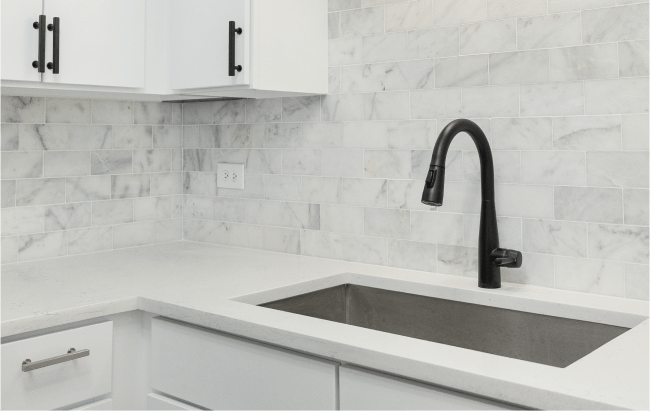
Layered lighting finishes the job. Ambient lights on dimmers, task lights where work happens, and accent lighting to graze brick or highlight art add polish. Under-cabinet lighting remains one of the highest bang-for-buck additions in a kitchen, both for prep and for evening ambiance. In living areas with tall ceilings, reconsider the placement of recessed lights to avoid a runway effect and supplement with sconces for warmth.
Smart features that actually help
Smart home technology integration during remodeling should begin with infrastructure. Pull extra low-voltage wiring while walls are open, even if you plan to use wireless devices. Hardwire smoke and CO detectors to meet code and interconnect them. Wire for a doorbell camera, access points for robust Wi-Fi coverage, and a smart thermostat in a sensible location, not behind a door or in a sun-baked hall. Motorized shades on south and west exposures do real work in summer, cutting heat gain. Whole-house leak detection, especially in older buildings with hidden runs, prevents catastrophic damage. These are discreet improvements that appraisers note under “quality of construction” and buyers recognize when touring.
Permits, inspectors, and pace: set expectations
Permits and regulations for home renovations in Chicago are clear but not quick. Interior non-structural work sometimes qualifies for Easy Permit, but the line moves as soon as you remove walls, change structure, or modify plumbing or electrical beyond fixture swaps. Plan review timelines vary with season. Budget at least several weeks for standard permits and longer for full architectural submissions. Inspections occur at defined milestones: framing, electrical, plumbing, insulation, then final. Passive-aggressive shortcuts often backfire when you sell. Buyers and their attorneys request permit histories, and unpermitted work can jeopardize financing.
What to expect during a home remodeling consultation is a little boredom mixed with necessary detail. A good consultation surfaces constraints early. Are we in a landmark district? Is the building in a condo association with specific rules for work hours and elevator reserves? Where are the plumbing stacks? How thick is the party wall? These answers steer scope toward the highest-value moves.
Case lessons from Revive 360 Renovations: where strategy paid off
At Revive 360 Renovations, we have learned that matching scope to neighborhood scale matters more than hitting a universal checklist. In a Lincoln Square two-flat converted to a single-family, we resisted the urge to expand the kitchen footprint and instead replaced the odd peninsula with a modest island, added a 36-inch range with a quiet exterior-vented hood, ran new LED under-cabinet lights, and reworked storage with full-height pantry cabinets. We took budget that might have gone to an oversized waterfall island and redirected it to air-sealing the attic, insulating the rim joist, and upgrading the boiler. The result appraised higher than nearby comps despite a smaller kitchen footprint, because showings felt warm, quiet, and functional in February.
On a South Loop timber loft, we faced the opposite challenge. The volume was beautiful but cavernous, and winter made the space feel drafty. We zoned the HVAC with smart dampers, added acoustical underlayment beneath new wide-plank engineered floors, and created a glass-partitioned office that preserved sightlines. The kitchen received compact, panel-ready appliances and a butler’s pantry tucked behind a structural column. The listing photos told the story, but the in-person experience sealed it. Buyers noticed that the bedroom areas felt private despite the open plan, and the home held heat evenly.
How local experience changes calls: Revive 360 Renovations process
An experienced Chicago team saves you from paying tuition to the school of hard knocks. Revive 360 Renovations has a simple early process that works for most projects. During the first walk-through, we map the building’s services and note telltales: efflorescence on the foundation, frost lines in attics indicating air leaks, hairline plaster cracks that could signal seasonal movement. We bring a thermal camera in winter. Those images often shift priorities. A drafty bay window will ruin the best paint job by March.
When we move into design, we weigh Chicago home remodeling trends to watch in 2025 against the home’s bones. Arches and softer profiles are on the upswing, earthy palettes are replacing stark whites, and natural materials like soapstone and oak are seeing a comeback. We adopt those selectively. In a mid-century bungalow, stained white oak and honed quartzite feel right. In a brick loft, a more industrial edge with sintered stone and matte black fixtures holds up. The goal is to mix modern and traditional styles without creating a mashup that will look dated in two years.
Storage and entry spaces: small moves, big returns
Every Chicago home needs a mudroom strategy. Snow, salt, and wet boots punish flooring. Adding a modest mudroom with durable tile, a bench, hooks, and closed storage near the back entry protects the rest of the house and reads as a thoughtful upgrade. Even in tight spaces, custom built-ins can pull double duty, hiding mechanical access while providing cubbies. This is where the benefits of custom built-ins and storage solutions show their worth. In condos, a well-built coat closet with shoe drawers and lighting punches above its weight.
Small homes gain value through storage that does not shout. Under-stair pantries, toe-kick drawers in kitchens, and full-height cabinets that reach the ceiling add cubic footage where it counts. Buyers feel the relief of having a place for everything. The best storage solutions for small Chicago homes are the ones that do not feel like storage at all.
Flooring choices for climate and traffic
Chicago’s freeze-thaw cycles and indoor-outdoor lifestyle inform flooring choices. In kitchens and entries, porcelain tile outlasts ceramic under heavy use and fluctuating humidity. For main living spaces, engineered hardwood with a stable core tolerates seasonal swings better than solid in some buildings, especially lofts. Wide-plank hardwood floors look luxurious, but they require careful humidity control to avoid gaps. Cork remains an eco-friendly alternative in offices or playrooms, offering warmth and sound dampening. In basements, avoid wood and laminate. Use luxury vinyl tile with a high-quality wear layer or porcelain with in-floor heat. If you need to transition between different flooring types, use flush reducers or metal inlays rather than clunky thresholds to maintain visual flow.
Finish sheens make a difference. Matte or satin hides scratches better than glossy, which shows every speck of Chicago road salt in winter. If pets are part of the picture, lean toward harder species or factory-finished floors with aluminum oxide coatings.
Sound, privacy, and the rowhouse problem
Attached homes and condos share walls. Soundproofing upgrades increase perceived quality. Double layers of drywall with Green Glue on party walls, solid-core doors, and acoustic seals on bedroom doors yield a quieter home. In lofts, area rugs on acoustic underlayment help. On busy streets, laminated glass windows cut traffic noise significantly more than standard double-pane units. Buyers will not always name these features, but they react to them. Quiet sells.
Color, paint, and the psychology of space
Color schemes should respect light, scale, and architecture. In north-facing rooms with cooler light, warmer neutrals avoid a gray cast in winter. Textured vs smooth paint finishes show up in kitchens and baths. Smooth walls with a durable eggshell or satin finish clean better. Semi-gloss on trim frames rooms crisply, but too glossy can read harsh in older homes with imperfect walls. The best primer for different painting surfaces matters when you have mixed substrates: stain-blocking primers for old wood and high-adhesion primers for glossy surfaces simplify life for the topcoat. Those details keep a home looking fresh for years, not months.
Accessibility that looks like design
Universal design increases value quietly. A curb-less shower, blocking in walls for future grab bars, lever handles, and wider doorways benefit everyone. These features read as modern rather than medical when integrated from the start. In multi-generational homes, a main-level full bath with a shower yields outsized value. Even if you never use it as such, buyers appreciate not having to navigate stairs for essential functions.
Avoiding cost traps
The hidden costs of home remodeling in Chicago often come from logistics and aged infrastructure. In pre-war condo buildings, elevator protection, condo association deposits, and limited work hours stretch timelines. In older single-family homes, surprise knob-and-tube wiring or buried lime mortar joints complicate what looked like simple tasks. You cannot avoid all surprises, but you can minimize risk by opening test walls before finalizing scope, camera-snaking drains, and doing a permit history check. Good contractors bring these habits by default.
How to hire the right contractor for your remodeling project starts with alignment. Look for teams that explain trade-offs rather than steamroll them. Ask how they handle change orders and what percentage of their work is repeat or referral. Confirm licensing, insurance, and whether they self-perform key trades or rely entirely on subs. During a home remodeling consultation, expect them to ask more questions than you do. If they are not curious, they are not protecting you.
Two short checklists that tend to protect value
Buyer-worthy priorities when budget is tight:
- Fix water issues first: roof, flashing, grading, and foundation cracks before finishes. Improve envelope: air sealing, insulation at attic and rim joist, weatherstripping. Update baths modestly: new lighting, ventilation, vanity top, and hardware. Refresh kitchen efficiently: counters, lighting, hardware, and one standout appliance. Paint strategically: light, durable finishes with consistent trim color.
When you have room to invest:
- Rework layout to improve flow while preserving one quiet room with a door. Upgrade mechanicals and add zoning or radiant heat where it counts. Replace or restore windows with attention to orientation and street noise. Add a mudroom or entry storage and consider built-ins in key spots. Wire for the future: low-voltage, smart controls, and leak detection while walls are open.
What Chicago buyers notice first, second, and last
First impressions start at the door. Solid hardware, a level threshold, and a vestibule that blocks winter air set the tone. Next, eyes move to light and sightlines, then to the kitchen. Buyers will open one or two drawers. Soft-close is now a quiet expectation. They will note grout lines and caulk in bathrooms, the age of mechanicals, and the condition of windows. Finally, they ask about storage, parking, and outdoor space. A simple deck in good repair beats an elaborate outdoor kitchen that eats the yard on a narrow lot.
I have walked buyers through dozens of listings where one or two frugal decisions cost the seller. Plastic register covers in rooms with new floors. Vinyl windows in a historic façade without proper trim. A large island crammed into a narrow shotgun kitchen, turning circulation into a shuffle. These are fixable with planning. The reverse is true too. I have watched modest homes command a premium because they felt warm, quiet, and well organized, even without lavish finishes.
The local company advantage, and how Revive 360 Renovations uses it
The benefits of hiring a local Chicago remodeling company show up when something small turns into something significant. A joist sistering detail that works in a balloon-framed greystone is different from a platform-framed bungalow. City inspectors know the difference too. Local teams know which alleys freeze, where to stage dumpsters without angering neighbors, and how to protect floors during snow. Revive 360 Renovations schedules deliveries with winter in mind and builds slack into the calendar for permit inspections that may slip a day when a storm hits. This is not drama, it is the rhythm of the city.
We also design with climate and culture in mind. Breakfast nooks that catch morning light, home offices with doors and sound seals, and wine storage solutions that do not require a dedicated room but still respect temperature swings. When clients ask for a showpiece they saw online, we ask how it will live in February. That lens keeps projects aligned with long-term value.
Sustainability that pays its way
Choosing energy-efficient materials for your renovation is not only an environmental choice, it is a market choice. Induction ranges in well-ventilated kitchens, heat pump water heaters in utility rooms with proper make-up air, and better insulation reduce operating costs that buyers can quantify. Sustainable building materials like FSC-certified wood, low-VOC paints, and recycled-content tile improve indoor air quality and avoid that “new renovation” smell that can signal off-gassing. In a world of rising utility costs, how to make your home more energy efficient is practical strategy, not virtue signaling.
Protecting your life during the project
Living through a remodel is possible with planning. Protect your belongings during a home renovation with clean-room protocols: plastic zipper walls, negative air when sanding floors or drywall, and daily cleanup. Pack the kitchen in zones and set up a temporary galley with an induction hot plate and a small sink if possible. Discuss start and stop times with your contractor, especially in condo buildings with strict hours. When kids or pets are in the picture, plan site boundaries early and enforce them. Daily communication keeps dust and disruption from becoming resentment.
Resale proofing: details that survive trend cycles
Fixtures and hardware should feel solid. Spend a little more on the pieces you touch dozens of times a day: door levers, faucets, and cabinet pulls. Choose finishes that will still look right in five years. Polished chrome and brushed nickel remain https://canvas.instructure.com/eportfolios/4215754/home/bathroom-storage-solutions-for-clutter-free-living safe. Flashier finishes can work in accent, but overuse dates a space. The best materials for bathroom vanity countertops are those that resist stains and do not require fussy maintenance. Quartz, porcelain slabs, and certain granites perform well. For showers, larger-format tiles with thoughtful patterning reduce grout maintenance while keeping visual interest. Herringbone or stacked bond patterns in a shower niche offer texture without adding cleaning headaches.
Final yardstick: are you solving real problems?
Strategic renovation increases home value when it solves problems the next owner would otherwise need to tackle. If your plans mushroom in scope without addressing winter drafts, old mechanicals, poor lighting, or tight storage, the investment will read as cosmetic. If you focus first on envelope and systems, then kitchens and baths that function in Chicago life, then lighting and storage, and finally finishes that fit your home’s era, you will create a home that appraises well, shows well, and lives well.
Revive 360 Renovations uses that yardstick on every project. It is tempting to chase the latest cabinet color or tile pattern, and sometimes that is exactly the right move. But the Chicago homes that sell quickly and for more are the ones that feel warm in January, bright on gray afternoons, and calm when the house fills with coats, boots, and friends. Renovate for that, and value follows.