Bathrooms invite mold. Warm showers, steamy mirrors, damp towels, and tight spaces all stack the odds in mold’s favor. Yet you can win this fight consistently with a mix of airflow, moisture control, material choices, and housekeeping habits that actually stick. The goal is simple: deny mold the trifecta it craves - moisture, warmth, and food - day after day, across the seasons.
Why bathrooms breed mold so easily
Mold spores are everywhere, floating invisibly and waiting for the right surface. Bathrooms supply nearly everything they need. Moisture condenses on the coolest surfaces, which are often exterior walls, metal fixtures, and the ceiling above the shower. Soaps and skin oils create thin films that become food. Grout, unsealed stone, and caulk hold micro moisture that lingers, sometimes for hours. Even a small leak under a vanity or a slow drip at the shower arm can fuel mold in hidden places.
The conditions shift with the seasons. In winter, hot showers meet cold surfaces and create heavy condensation. In summer, high ambient humidity takes longer to clear after a shower, especially if the HVAC system is not helping dehumidify the air. Good control is less about a single fix and more about a routine, supported by smart design.
The ventilation playbook that actually works
Not all fans and windows are equal. A bathroom fan needs two things to be effective: the right capacity for the room and the right runtime after each shower. A typical small bathroom often needs a fan rated between 80 and 110 CFM, assuming a standard 8 foot ceiling. Larger rooms, or those with jetted tubs and separate showers, may call for 150 CFM or more. If you have a high ceiling, adjust upward. What matters just as much is how the duct runs. Short, straight ducting that vents outdoors, not into an attic, pulls moisture out quickly. Long runs with multiple elbows cut performance, sometimes by half.
Windows help, but only when outdoor humidity is low. On a cool dry morning, a cracked window can clear steam fast. On a humid summer day, that same window brings moisture in. Controls can take the guesswork out of it. A humidity-sensing switch that runs the fan until relative humidity drops below a set threshold, often around 50 to 55 percent, removes the human error of flipping a switch too soon. People underestimate how long a bathroom stays wet. Running a properly sized fan for 20 to 30 minutes after a shower is a strong baseline.
Materials that discourage mold from the start
Think of every finish in a bathroom as either moisture tolerant or moisture risky. That is the lens we use when planning remodels. In shower enclosures, porcelain tile has an edge over natural stone for mold resistance because it is dense and less porous. If you love stone, you can make it work, but it demands diligent sealing and maintenance. For grout, a high quality cementitious grout with a penetrating sealer is the minimum. Epoxy grout, while pricier and trickier to install, resists staining and mold far better. The difference is clear after a year in a busy household.
On walls and ceilings, paint choice matters. A moisture resistant primer followed by a high quality semi-gloss or satin bathroom-rated topcoat makes a measurable difference. Flat paint hides imperfections but tends to hold condensation and becomes harder to clean. Avoid standard drywall in shower zones. Cement backer board or foam board systems behind tile keep water from reaching the framing. Pay attention to joint details. A hundred carefully set tiles are undone by one sloppy transition.
Flooring deserves the same scrutiny. Porcelain tile with tight grout joints, sealed, is a reliable standard. Luxury vinyl plank can work outside of wet zones if installed correctly and the room stays dry, but trapped spills under floating floors can create hidden mold. If you have wood substrate, make sure it is well sealed and that transitions at the tub or shower curb are watertight.
Daily habits that break the moisture cycle
The most effective bathroom is one that dries out quickly. That requires airflow and a few predictable routines. Squeegeeing the shower walls and door reduces surface water by as much as 75 percent, which means less moisture is evaporating into the room. Hanging towels so air can get around them matters more than the towel’s thickness. Keeping shower curtains fully extended helps them dry instead of folding moisture into creases.
A trick from the field: crack the shower door open during the last minute of hot water and aim the showerhead down the wall, not into the room. It starts the drying process before you step out. Place a small, quiet fan on a timer or smart plug to move air through the room for another 15 to 20 minutes. That kind of steady, low energy airflow does more than sporadic blasts of heat.
Seasonal strategies for year-round control
What works in a dry, cold month changes when humidity rises. In winter, the temperature contrast between hot air and cold surfaces leads to heavy condensation on exterior walls and single pane windows. Insulate where you can, including behind the shower if that wall faces the outdoors. Use a thermal break on mirror backs, or set mirrors slightly off the wall to reduce cold spots that drip. Keep fan runtimes a little longer in winter, since the air carries more moisture after each shower.
In summer, keep the door open after use if privacy allows. If your HVAC system serves the bathroom, let it help. Ensure the supply and return register are not blocked by bathmats or storage. If outdoor humidity sits high for weeks, a whole-home dehumidifier or a portable unit running in the evening can keep indoor humidity below 50 percent. That line is important. Mold growth accelerates above 60 percent relative humidity.
Where mold hides and how to outsmart it
The obvious places are shower corners and grout lines. The less obvious spots are the ones that lead to recurring issues. We see mold behind loose baseboards, under failed caulk at the tub apron, and inside vanity cabinets where supply lines sweat. Old overflow gaskets on sinks can wick moisture into particleboard. Light fixtures can harbor condensation rings that drip back and stain the ceiling. If you live in a multi-family building, stack plumbing walls sometimes carry moisture from neighbors’ units.
Finding these issues early comes down to tactile checks. Run a finger along the caulk joint where the tile meets the tub. If it feels soft, sticky, or shows gaps, water is moving behind it. Open the vanity and look for swollen edges, a telltale sign of slow moisture intrusion. Check the ceiling above the shower after a long bath - if it stays damp longer than two hours, your airflow is underperforming or your insulation is weak in that area.
The cleaning rhythm that keeps mold from getting ahead
Cleanliness does not need to be an all-day event. It just needs consistency. Weekly cleaning with a surfactant-based bathroom cleaner removes soap film, which deprives mold of food. Avoid mixing chemicals. If you use a diluted bleach solution to kill visible mold, rinse thoroughly and follow with a neutral cleaner on the next pass. Bleach can whiten stains without penetrating porous grout. For stubborn grout lines, use a hydrogen peroxide based cleaner, let it dwell for 10 minutes, then agitate with a nylon brush.
Switch your tools as needed. Natural bristle brushes hold moisture and can harbor bacteria. Nylon or silicone tools rinse clean and dry quickly. Replace shower liners every 6 to 12 months. If you have a glass enclosure, apply a silica-based sealant or a dedicated glass protectant every few months to repel water and reduce spotting.
Caulk versus grout, and when each fails
Homeowners mix these up. Grout fills the space between tiles and becomes part of the tiled surface. Caulk seals movement joints where two planes meet, like the tub deck and the vertical wall tile. When grout cracks, water penetrates and sits behind the surface, sometimes without visible signs for months. When caulk fails, water moves to places it should not reach, like framing or subfloor.
If you re-caulk, remove all the old material. Do not paint over it. Use a mildew-resistant 100 percent silicone in wet areas, not painter’s caulk or latex blends. Let the area dry fully before you recaulk. A heat gun on low or a dehumidifier running overnight helps, especially in corners. For grout repairs, match type to type. Do not use epoxy over cement grout without proper prep. For large failures, cut out and regrout sections rather than smearing patch compounds over compromised joints.
What we changed in bathrooms that stopped mold for good
At Revive 360 Renovations, we track the difference between incremental improvements and systemic fixes. The biggest gains rarely come from a single product. They come from sequences that remove moisture fast and leave few places for it to hide. In one 1950s bungalow, persistent ceiling mold above the tub resisted repeated repainting. The root cause was a small attic duct that vented only three feet before turning twice and terminating near, not through, a roof cap. We replaced the fan with a 110 CFM unit, ran a rigid duct with one soft bend to a proper cap, and air-sealed the ceiling plane. The mold never returned. The paint was the last step, not the solution.
Another project involved a sleek walk-in shower with large format tiles and a linear drain. The homeowner cleaned regularly, yet mildew returned along the bottom course of tile. Our team confirmed the slope was correct but found the bench front had a micro lip where water pooled after each shower. We corrected the tile edge, switched to epoxy grout on the lowest course, and added a hydrophobic treatment on the glass and tile. The visual mold disappeared because water stopped lingering in that one place.
Practical upgrades for a remodel or refresh
If you are planning a bathroom update, a few choices deliver disproportionate results. Choose a humidity-sensing fan with a quiet rating below 1.5 sones so it actually gets used. Opt for porcelain tile in shower zones, and specify an epoxy grout where maintenance capacity is limited, such as a rental unit or a busy family bath. Install a showerhead with a shutoff or a lower GPM rate if you have recurring condensation issues. Less water hitting surfaces equals faster dry-out times.
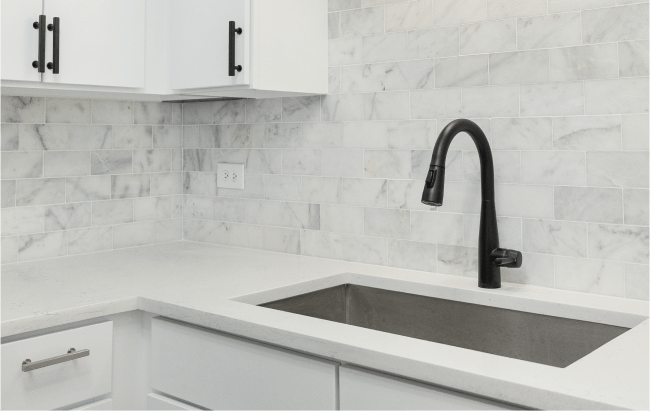
Select a vanity with breathing room underneath. Floating vanities promote airflow and make it easier to spot leaks early. If you prefer a full base, avoid pressed wood in favor of plywood cabinet boxes, and seal cut edges with a waterproofing product before installation. For countertops, quartz resists staining and moisture better than many natural stones. If you love real stone, plan on sealing it as part of your maintenance routine, just as you would a kitchen surface.
The role of paint and primers
Mold-resistant paint is not a magic shield, but it helps when paired with good ventilation. On ceilings in bathrooms with persistent moisture, use a high adhesion primer designed for humid environments, then a topcoat rated for bath use. Watch the sheen. Too glossy, and ceiling imperfections appear. Too flat, and you invite moisture to sit. Satin tends to hit a sweet spot. Spot prime any stains with a shellac-based primer before you repaint, or they will bleed through. Paint over active mold without remediation, and the spot will return.
Quick-check moisture checklist for any bathroom
- Run the bath fan until humidity drops below 50 to 55 percent, or for 20 to 30 minutes after showers. Squeegee glass and tile, then hang towels and mats to dry with airflow around them. Keep caulk intact at all tub and shower transitions, and reseal grout annually with a penetrating sealer. Open vanity doors monthly to check for drips, swollen panels, or a musty smell. Maintain indoor humidity below 50 percent during humid seasons with HVAC or a dehumidifier.
When to call a specialist versus DIY fixes
You can handle routine cleaning, minor caulk work, and fan switch upgrades without a crew. You should consider expert help when you see recurring mold in the same area, when there is a musty odor that persists after cleaning, or when visible mold spans more than a few square feet. Large infestations signal ongoing moisture intrusion, not housekeeping issues. Cutting into walls without containment spreads spores to clean rooms. Proper remediation involves isolating the area, using negative air, and removing contaminated materials safely.
Our teams at Revive 360 Renovations coordinate with certified remediators when hidden mold appears during a remodel. We have opened shower walls that looked fine on the surface only to find saturated backer board and blackened studs at the plumbing wall. The fix is methodical. Stop the moisture. Remove the compromised material. Dry the assembly to target moisture content, typically below 15 percent for wood. Rebuild with moisture-smart materials. Then dial in ventilation and airflow so it does not come back.
Designing for small bathrooms without inviting moisture problems
Compact bathrooms magnify moisture challenges. A curbless shower in a small room looks clean and modern, but the water management has to be perfect. Use a linear drain placed near the wall to capture water before it travels. Set the floor slope carefully and use a trench drain cover that is easy to lift and clean. Keep glass panels full height to contain steam, then ensure the fan has sufficient draw. Even a small powder room benefits from a quiet, efficient fan if it shares a wall with a shower.
Storage choices can either choke airflow or support it. Closed cabinetry pushed tight to exterior walls often collects condensation. In tight spaces, consider shallow shelves or a combination of closed storage and open, airy elements. The aim is not to showcase towels, but to give them a chance to dry. Surprisingly, a minimal open section near the top of a tall cabinet can move warm air past stored items and reduce mustiness.
What a thorough bathroom moisture audit looks like
A full audit follows the water. Start at the ceiling. Is there a history of stains? Is the fan duct properly insulated in unconditioned spaces to prevent condensation in the duct? Move to walls. Are exterior walls cold to the touch after a shower? That suggests insulation or thermal bridging issues. At fixtures, check for mineral build-up or drip patterns that hint at slow leaks. Under the sink, run the water and look for weeping where supply lines meet shutoffs.
On the floor, gently step around the toilet and the shower curb. Softness signals subfloor damage. At the shower, inspect corners, the niche, and the curb top. Hairline cracks there allow water to wick. If there is a bench, push against the front face. Any flex is a red flag.
Revive 360 Renovations performs moisture readings during renovation work to document baselines. We do not rely on looks alone. A surface can appear dry while the structure behind it holds moisture. Whether you DIY or bring in a pro, a moisture meter and a good flashlight can change your outcome.
Repairs that last versus patch jobs
Long-term fixes treat sources, not symptoms. Replacing a stained section of baseboard without finding the upstream leak sets you up for a repeat. A common example is a failed shower door sweep. Water escapes at the hinge side, runs under the tile edge, and shows up as a baseboard stain 3 feet away. Budget a little time for detective work. Test the shower with a controlled spray at seams and watch for escape points. If the stain returns within weeks, widen the search.
Patching cracked grout in isolation can hide a larger problem. If cracks appear in multiple lines, movement is likely. That could be substrate deflection or inadequate joint width. The solution might be adding a movement joint or switching to a more forgiving grout type in certain areas.
The small upgrades that change daily behavior
Behavior shapes outcomes. Make it easy to do the right thing. A hook placed where you naturally reach from the shower beats a bar across the room. A low-profile squeegee that hangs inside the shower gets used more than a bulky tool stashed in a closet. A humidity display on the wall becomes a nudge to run the fan a little longer. Glass shower doors with a magnetic seal close themselves more completely than sliding panels that invite gaps.
We have seen clients change outcomes just by swapping a heavy fabric shower curtain for a quick-drying liner and using a double rod to separate liner and curtain. Airflow between the two dries both in hours, not days. The cheaper fix sometimes beats the fancy one.
When a full remodel is the right move
Cosmetic fixes make sense until they do not. If your bathroom has chronic mold, failing grout, a weak fan, and signs of water damage behind finishes, a targeted remodel is more cost effective over five years than a steady stream of patching. As part of larger projects, Revive 360 Renovations often pairs layout changes with moisture control upgrades. For example, shifting a shower to an interior wall improves insulation continuity, reducing cold spots that condense steam. Upgrading the bath lighting to sealed, wet-rated trims prevents moisture intrusion at the ceiling. Rebuilding with waterproofing membranes behind tile rather than relying on tile and grout alone provides a redundant barrier.
Tie the remodel to routines. A well-placed niche keeps bottles off the floor so water does not collect in corners. A slightly oversized exhaust fan on a quiet setting gets used daily. A bench with a slight forward slope does not pool water. These details add up.
A short, high-impact routine for busy households
- Before showering, switch on the humidity-sensing fan or set a 30 minute timer. After showering, squeegee glass and the lower 3 feet of tile, and hang towels with space around them. Weekly, clean grout lines and caulk joints with a gentle, non-abrasive cleaner. Inspect for gaps or soft spots. Monthly, check under the sink and around the toilet base for moisture. Wipe the fan grille and ensure it pulls a tissue easily when running. Seasonally, reseal grout and stone as needed, replace any suspect caulk, and confirm the duct vents outdoors with strong airflow. Annually, evaluate paint, recaulk the most used joints, and consider a professional inspection if odors persist.
The bottom line
Mold prevention in bathrooms rewards steady, simple steps layered over sound design. Ventilation sized to the space. Materials that resist absorption. Joints that move without breaking. Habits that help the room dry completely between uses. The fixes are not exotic. They are disciplined and specific, and they need to reflect your bathroom’s layout, your climate, and how your household actually uses the space.
Revive 360 Renovations approaches bathrooms with that blend of building science and daily practicality. Whether we are refreshing grout and replacing a fan, or taking a room down to studs and rebuilding the envelope, the aim is the same: a bathroom that looks clean because it stays dry. Mold loses when moisture has nowhere to settle and nothing to feed on. Year-round, that is the https://elliotkanq386.cavandoragh.org/the-benefits-of-under-cabinet-lighting-for-function-and-flair condition to create and to keep.