Walk into any kitchen and your eye reads the door style and color first. Doors and drawer fronts set the tone. That is why homeowners often ask whether they can swap just the doors and call it a remodel. The short answer is yes, sometimes. The better answer is, it depends on the condition of your cabinet boxes, the layout you want, and the finish quality you expect to live with for years.
I have replaced hundreds of sets of doors, refaced more kitchens than I can count, and torn out plenty of failing boxes that should have been replaced years earlier. The difference between a smart refresh and a false economy comes down to careful evaluation and good execution. Here is how to think it through like a pro.
What “replacing just the doors” really means
Door-only replacement usually refers to ordering new door and drawer fronts in a style and finish you like, then hanging them on your existing frames. You keep the cabinet boxes, the face frames, and the interior shelves. Hinges and hardware may change, but the skeleton stays. This is not the same as cabinet refacing, where a contractor also skins the face frames and exposed box sides with veneer or laminate to match the new doors. Door-only keeps the frames as-is, which can be perfect if they are in good shape and the existing finish can blend or complement.
If your frames are visibly worn, yellowed, or a different wood species than the new doors, a door-only plan can look disjointed. That is why many homeowners drift toward refacing once they start sampling finishes. Still, in the right circumstance, doors alone can achieve a clean, refreshed look for a fraction of the cost of full replacement.
When door-only replacement makes sense
There are https://rafaeluhgx408.fotosdefrases.com/open-concept-vs-traditional-layouts-which-is-right-for-your-chicago-home three green lights I look for before I recommend door-only. First, the cabinet boxes are structurally sound. That means no delamination on particleboard sides, no sagging shelves, no loose face frames, and no softness in the sink base from long-term leaks. Second, the layout works for your cooking habits. If you constantly bump into traffic pinch points, wish for a wider fridge cavity, or want a bigger island, doors will not solve those problems. Third, the current finish on the frames either looks good as-is or can be touched up to play well with the new fronts.
I have seen 1990s maple kitchens with solid hardwood face frames and plywood boxes that still look crisp after a professional clean and scuff. Swapping dated cathedral arch doors for flat-panel shaker in a satin lacquer turned those rooms into modern, functional spaces without ripping out anything. On the other hand, I have walked into kitchens where the sink base crumbled under finger pressure. In those cases, new doors would have been lipstick on a structural issue.
Door-only vs. refacing vs. full replacement
Think of these as a spectrum. Door-only is the lightest touch, fastest timeline, and lowest cost. Refacing sits in the middle, giving you a unified exterior with new veneer or laminate on the face frames and exposed sides, plus new doors. Full replacement builds new boxes and opens the door to layout changes, deeper drawers, and integrated storage upgrades that legacy boxes cannot support.
Homeowners often ask about cost ranges. Broadly, door-only can run 25 to 40 percent of a full replacement, refacing around 40 to 60 percent, and full replacement 100 percent by definition. The spread reflects finish selection, door construction, and hardware choices. A solid maple door with catalyzed conversion varnish and soft-close hinges is not the same price as a stock thermofoil door with euro hinges. If you track your budget closely, start by pricing your doors and hinges, then add installation, touch-up, and any paint or finish work on the frames. Costs also vary by market. If you have been reading The Ultimate Guide to Kitchen Remodeling Costs in Chicago, you have seen the delta between neighborhoods, building types, and scope creep.
The condition of your cabinet boxes matters more than style
Before you pore over paint swatches, get practical. Open every cabinet and look at the corners. Press against the sides near the back to check for flex. Tap the toe kick, and see if the veneer is tight. Look under the sink with a bright flashlight. If you see white fuzz on particleboard, crumbling edges, or dark rings from past leaks, that base needs attention. Measure shelf thickness. Half-inch particleboard shelves tend to sag under dinnerware; three-quarter plywood holds up better.
A few common red flags:
- Soft or swollen sink bases, or particleboard that flakes when touched. Loose face frame joints at the stile-rail intersections. Out-of-square openings where doors will never align tightly. Box sides that are stapled and separating, often visible in older tract builds.
If you see any of these, raise a hand before you order doors. You can still refresh your look, but you may want a hybrid approach: replace a few compromised bases, then reface or replace doors elsewhere. That is a practical move, not an all-or-nothing decision.
Style decisions that affect the success of a door-only project
Door profile, finish, and overlay determine how forgiving a door-only upgrade will be. Slab and shaker styles read clean and are easier to align. Heavily profiled raised panels show even the slightest hinge tweak. Full overlay doors cover more of the face frame, which helps hide finish mismatches, but they demand precise spacing and consistent reveals. Partial overlay leaves more of the frame exposed, which can be charming on older wood kitchens if the frame finish still sings.
Color plays into this as well. White or pale doors against yellowed frames will telegraph the difference. A mid-tone neutral, like warm gray or a greige enamel, can blend better. The Best Cabinet Colors for Resale Value in Chicago tend toward soft whites, greiges, and navy, but pair them with your frame finish. If your frames need paint anyway, refacing or painting the frames to match the doors pushes you into refacing territory. There is nothing wrong with that, just be honest about scope.
Hardware and hinges are the quiet heroes
A door-only upgrade shines or disappoints based on hardware. Soft-close hidden hinges, quality screws, and proper pilot holes are the difference between a crisp reveal and a door that creeps open on its own. Pay attention to hinge cup size. Most modern doors use a 35 mm cup, but older doors may have smaller or nonstandard bore sizes. Plan to bore the new doors correctly and patch old screw holes in the frames. If your current layout uses face-frame concealed hinges, confirm whether you need full overlay, half overlay, or inset. A mismatch will ruin your day.
As for pulls and knobs, this is where How to Choose Hardware That Complements Your Kitchen Cabinets earns its keep. Long bar pulls on slab doors skew modern. Classic mushroom knobs on shaker read transitional. If you keep your old drill pattern to save time, be sure the new hardware covers the old impressions or sun fade. When in doubt, make a plywood template, test on a hidden door, and commit only when the placement feels right under your hand, not just in a photo.
Paint, stain, or thermofoil on the new doors
Each has a place. Painted hardwood or MDF doors deliver a smooth, modern look. MDF takes paint evenly if you choose a moisture-resistant core and a factory-grade finish like catalyzed lacquer. Stain on hardwood celebrates grain, which pairs nicely with existing wood frames if the tones harmonize. Thermofoil, a heat-wrapped vinyl, gives a seamless surface with strong wipeability, but it can peel near hot appliances if not shielded properly and can yellow over time in direct sunlight.
If you are eyeing trends, Modern Kitchen Design Ideas for Small Spaces often lean toward slab, matte finishes, and integrated pulls, all of which work well in door-only treatments when the frames are clean and minimal. For a bolder move, two-tone kitchens use a darker island and light perimeter. That can work with door-only if the island is well separated visually.
The installation sequence that avoids headaches
People underestimate the choreography. The right sequence saves rework:
- Measure twice with reveal in mind. Map overlay, door sizes, and hinge types before ordering. Remove old doors and label frames. Photograph hinge placement and note any out-of-plumb conditions. Dry fit several new doors early. Confirm hinge cup alignment and overlay on a representative corner, a sink base, and a tall pantry. Install hardware last. After hinge adjustments are done and reveals are true, mark and drill hardware from a template. Touch up frames at the end. Fill old holes, sand dust nibs, and touch finish where needed. Clean thoroughly before mounting doors.
Two notes from the field. First, protect countertops and floors with runner pads and hardboard. Door boxes scuff finishes quickly. Second, bring a stack of playing cards. They make perfect, cheap shims for consistent gaps during hinge adjustment.
Where Revive 360 Renovations draws the line on door-only
How Revive 360 Renovations evaluates your boxes
When we assess a door-only request, we start with joints, water exposure, and squareness. We check two diagonal measurements on a few openings. If the difference exceeds an eighth of an inch, that cabinet will fight us on crisp reveals. We also probe shelf pins and confirm they are not wallowed out. On sink bases, we gently press on the floor to detect spongey spots. If all that checks out, we are usually comfortable proceeding with a door-only scope, perhaps with isolated base repairs.
A Revive 360 Renovations case vignette: a 90s maple kitchen
A family in a brick two-flat wanted a lighter look before listing. Maple frames and plywood boxes were solid, but the cathedral doors dated the space. We recommended shaker doors in a soft white enamel, full overlay to cover most of the frame, and new soft-close hinges. We left the frames as-is, cleaned and conditioned the maple to reduce ambering, and matched the toe kicks to the door color for cohesion. The project ran under two weeks including lead time, with four days onsite. It was a door-only success because the boxes and frame finish were worth keeping.
When refacing is the smarter play
Door-only runs out of road when the exposed frame finish fights the new doors. Refacing wraps face frames and exposed end panels in matching veneer or laminate, unifying the exterior into a single color or wood tone. That matters with full overlay doors, where a quarter inch of frame still peeks out around edges, and it matters with open shelves or glass inserts that reveal frame faces. Refacing also enables subtle changes, like adding a relaxed edge to a peninsula panel or skinning a refrigerator panel to integrate with new doors. If you plan to install under-cabinet lighting, refacing makes it easier to conceal wiring with matching light rails.
Clients often compare refacing to cabinet painting. The key difference is durability at the frame edges and the grain or texture you want. Painting frames can look fantastic with the right prep and materials, but it will not address end panels cleanly unless you cap them, and it will not change wood grain. If you are torn, read Kitchen Cabinet Painting vs. Replacement: What’s Right for You? and weigh the maintenance you are willing to accept.
Full replacement opens layout and storage upgrades
Some kitchens need more than new faces. If your drawers are shallow, your waste bin sits out in the open, or your pantry cabinet wastes vertical space, modern boxes can transform daily use. Full replacement allows deep drawers for pots, pull-out trays, vertical dividers, and hidden recycling centers. It also lets you align with Top Kitchen Layout Trends for Chicago Homes in 2025, like wider walkways, larger islands with seating on two sides, and appliance garages that hide counter clutter. For small homes, Maximizing Storage in a Small Chicago Kitchen often hinges on custom cabinet widths and ceiling-height uppers that old boxes cannot match safely.
Full replacement also resets the floor level and wall plumbness that creep over decades. If your flooring stops at the toe kick, you may need to address that during a full swap. Plan the sequencing carefully if you intend to live in the home during the remodel. How to Plan a Kitchen Remodel While Living in Your Home can help you map cooking zones, dust control, and temporary sink solutions.
Lead times, timelines, and what to expect onsite
Door-only projects tend to move fast. Factory-finished doors usually carry a lead time of two to six weeks depending on material and finish. Onsite work can be as quick as two to three days for a small kitchen and a week for a larger one, including hinge boring, installation, and hardware. Refacing adds a few days to skin frames and panels. Full replacement ranges widely, from three to eight weeks onsite, with total project spans shaped by countertop fabrication, backsplash, and flooring. If you are syncing with The Complete Kitchen Backsplash Installation Guide or scheduling new countertops like Thinscape Countertops, plan the handoffs to avoid idle time.
Expect noise, dust, and the steady wisp of lacquer scent if touch-up is involved. Good crews mask, run dust extraction on track saws and sanders, and clean daily. Ask about finish cure times before loading shelves. Many lacquers feel dry within hours but need days to reach full hardness, especially in humid summers.
Common pitfalls and how to avoid them
I have seen three recurring mistakes. First, underestimating color shift. Existing frames often darken or yellow with time. New white doors make that shift obvious. Always sample door color against the actual frame in your kitchen lighting, not just in a showroom. Second, ordering the wrong hinge overlay. Measure overlay on your existing doors and confirm how the new door style changes that. A shaker door with a thicker edge can change how the hinge sits, altering your reveals. Third, skipping end panels. Even if you keep your box sides, consider ordering decorative end panels for exposed cabinet ends. They finish the look and bring the design together.
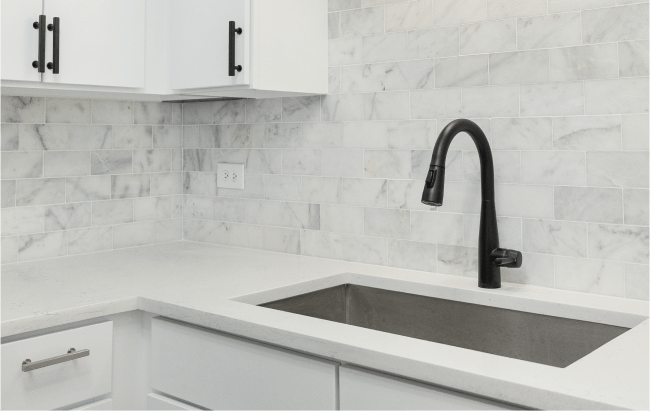
Another quiet pitfall is hardware scale. Twelve-inch pulls on 12-inch-wide drawer fronts look crowded. Eight- or 10-inch pulls often sit better. On tall pantry doors, splitting long pulls into two centered knobs can look balanced and feel more ergonomic for kids. How to Choose the Perfect Kitchen Countertop Material for Your Home also intersects here. If you are moving to a thicker countertop with a chamfered edge, ensure your hardware clearance will not bump fingers against the underside of the top.
Materials and moisture: what your kitchen throws at doors
Kitchens punish. Steam from dishwashers, heat from ranges, and splashes at the sink abuse finishes. Painted doors near dishwashers need a durable topcoat and a small ventilation gap. Thermofoil doors next to a wall oven should have heat shields. Stained doors hold up well to bumps but show water spots if the topcoat is too soft. Ask about finish chemistry. Conversion varnish cures hard and resists moisture. Acrylic lacquers can look beautiful but may mar more easily. If you have rambunctious kids or large dogs, prioritize a tougher topcoat over ultra-matte finishes that scuff.
Remember lighting changes finish perception. Kitchen Lighting Design: How to Brighten Your Cooking Space can elevate your new doors. Under-cabinet LEDs reveal dust and streaks. Choose a color temperature that flatters your finish. Warm whites flatter stained woods, while neutral whites enhance painted grays and whites.
Sustainability and reuse
Door-only replacement is a waste-conscious upgrade. Keeping boxes avoids sending cubic yards of composite material to landfills and reduces demand for new plywood. If you care about Eco-Friendly Kitchen Remodeling Options for Sustainable Homes, this is a practical step. You can also donate salvageable old doors and hardware to reuse centers. When ordering new doors, ask about FSC-certified woods and low-VOC finishes. If you plan to paint frames to match, choose a hard-wearing waterborne enamel with verified low VOCs and follow proper cure times.
How door-only affects resale and ROI
Buyers react to what they see. Fresh, well-aligned doors, soft-close hinges, and quality hardware signal care. If your neighborhood skews toward modern aesthetics, a clean shaker or slab in a soft white or greige will likely boost appeal. The ROI of Kitchen Remodeling in Chicago often reflects modest, high-visibility updates more than full luxury rebuilds unless the home sits in a high-end pocket. If your boxes are sound and your layout plays well, door-only can deliver an outsized lift for its cost.
Color trends shift. The Best Cabinet Colors for Resale Value in Chicago in recent seasons have included white, light gray, and midnight blue, but avoid extremes that force buyers to repaint. If you are replacing doors for resale rather than personal taste, aim for a balanced, neutral palette, pair it with simple hardware, and ensure every reveal is tidy. Crooked doors distract buyers who otherwise love the space.
Tying in other elements without ballooning the scope
A door refresh often triggers rabbit holes. Countertops look dingy next to fresh doors, or a tired backsplash stands out. You can sequence upgrades smartly without a full gut. If you plan to replace countertops, do it after doors so templating accounts for any added panels or scribes. The Complete Kitchen Backsplash Installation Guide helps you budget time and dust for that change. If you dream of an island, read Kitchen Island Design: Size, Style, and Functionality Tips first. Door-only does not change footprint, but a well-chosen freestanding island can add prep space and storage without touching cabinets.
For small spaces, Modern Kitchen Design Ideas for Small Spaces often highlight taller uppers or open shelving. If open shelves tempt you, weigh The Pros and Cons of Open Shelving in Kitchen Design honestly. They lighten a room but demand tidiness. A hybrid works: replace a few uppers with glass doors to gain airiness while keeping dust off plates.
A measured way to decide: a short homeowner checklist
You do not need to be a carpenter to make a sound call. Use this concise filter to decide whether door-only fits.
- Boxes are solid, square, and dry. No spongy sink bases or loose face frames. The current layout supports your workflow. No desire for major appliance moves. Frame finish can blend or be lightly refreshed to suit the new doors. Hardware and hinge overlay are planned to match door style and thickness. Exposed end panels and light rails are accounted for so the look reads intentional.
If you pass this test, door-only is likely a smart move. If not, shift to refacing or replacement, or blend approaches in different zones.
Where Revive 360 Renovations adds value in hybrid projects
Revive 360 Renovations on combining box repairs with new doors
Not every kitchen is all or nothing. We often replace a water-damaged sink base and a few lower cabinets that have lived a hard life, then order doors for the remaining boxes and skin exposed sides. This hybrid preserves budget, controls dust, and gives you new storage where you feel it most. It also respects your home’s quirks. Older Chicago bungalows rarely have dead-level floors. We can shim a new base to meet the old without telegraphing the transition in your toe kicks.
Revive 360 Renovations lessons learned from tight condos
In high-rise units, service elevators, loading dock windows, and quiet hours rule the schedule. Door-only shines in those settings because we can pre-hang hinges on new doors offsite, then work quickly in the unit. We bring compact dust extraction and protect common hallway surfaces meticulously. Expect slightly longer lead time for condo approvals, but shorter onsite duration than a full tear-out, which neighbors appreciate.
Maintenance to protect your investment
Fresh doors deserve care. Wipe spills promptly with a damp microfiber cloth. Skip abrasive sponges. Avoid ammonia or citrus cleaners that can dull finishes. Periodically check hinge screws. Wood moves with seasons, and a quarter turn on a hinge cam can keep reveals tight. If you opted for painted doors, ask for a small touch-up kit from your finisher. Used sparingly, it erases tiny nicks that appear in busy households. For stained doors, a clear furniture wax with no silicone can refresh sheen once a year, but test in an inconspicuous spot.
If you own hardwood floors, protect them during door installation and future cabinet tweaks. How to Protect Hardwood Floors from Water Damage and The Benefits of Professional Hardwood Floor Maintenance are worth a read when you plan any kitchen work involving water, like dishwasher swaps or sink faucet changes.
Final thought: choose scope that matches your goals
Door-only replacement is not a compromise. Done thoughtfully, it is a precise intervention that respects what still works and invests where your eye lands. If you want a new face for a solid kitchen, this path fits. If your frames or layout fall short, refacing or full replacement unlocks better long-term value. The right choice aligns with how you cook, clean, and gather at home.
A good team will talk you through trade-offs rather than push a one-size answer. They will check squareness instead of promising perfect reveals on a warped frame. They will sample colors in your lighting, not under showroom halogens. Whether you keep your boxes, skin them, or replace them, insist on craftsmanship at the hinge, the corner, and the end panel. That is where kitchens earn their keep day after day.